
Introduction
Many homeowners are not sure what actually happens during a roof inspection. They may know an inspection is important, especially after a storm or before winter, but they may not know what the contractor looks for or what kind of information they should expect afterward.
A professional roof inspection is more than a quick glance at the shingles. It is a full evaluation of the roofing system and the areas that support it. That includes exterior roofing materials, flashing, drainage, attic conditions, ventilation, insulation, and any evidence of water intrusion.
In Rochester, MN, roof inspections are especially valuable because roofs face year-round weather stress. Snow, ice dams, hail, wind, heavy rain, and freeze thaw cycles can all affect roofing materials over time. Some damage is easy to see. Other problems remain hidden until leaks, mold, or structural issues develop.
Knowing what to expect during a roof inspection helps homeowners feel more prepared and confident. It also helps them understand why inspections are an important part of long term roof maintenance.
Why Roof Inspections Are Important
A roof protects the entire structure beneath it. When roofing problems go unnoticed, damage can spread into insulation, decking, ceilings, walls, and framing.
A professional roof inspection helps identify concerns before they become larger and more expensive.
Inspections are useful for:
- Finding hidden damage
- Checking storm-related wear
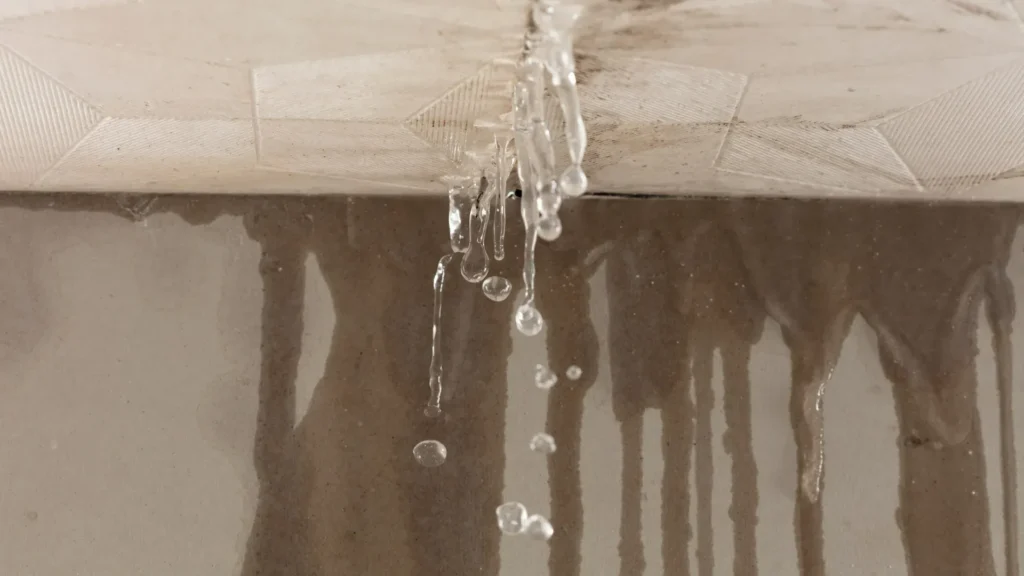
- Identifying leaks
- Evaluating roof lifespan
- Reviewing attic ventilation
- Planning maintenance
- Supporting insurance documentation
Many roofing issues are not visible from the ground. For example, hail can bruise shingles without causing an obvious crack. Wind can lift shingles and break seals without removing the shingles completely. Flashing can separate slightly around chimneys or vents and create a leak path that homeowners may not notice until water stains appear.
Regular inspections give homeowners a clearer picture of roof health and help prevent surprises.
When Should Homeowners Schedule a Roof Inspection?
There is no single schedule that fits every home, but there are several times when an inspection is especially helpful.
Homeowners should consider scheduling an inspection:
- After a major storm
- Before winter
- After winter snow and ice
- Before buying a home
- Before selling a home
- When water stains appear
- When shingles are missing or damaged
- When the roof is older
In Southeast Minnesota, fall and spring are common inspection times. A fall inspection can help prepare the roof for snow and ice. A spring inspection can identify damage caused by winter weather.
After hail or strong winds, homeowners should not wait for leaks before requesting an evaluation. Storm damage may not cause immediate water intrusion but can weaken the roof over time.
Exterior Roof Evaluation
The exterior evaluation is often the part homeowners think of first.
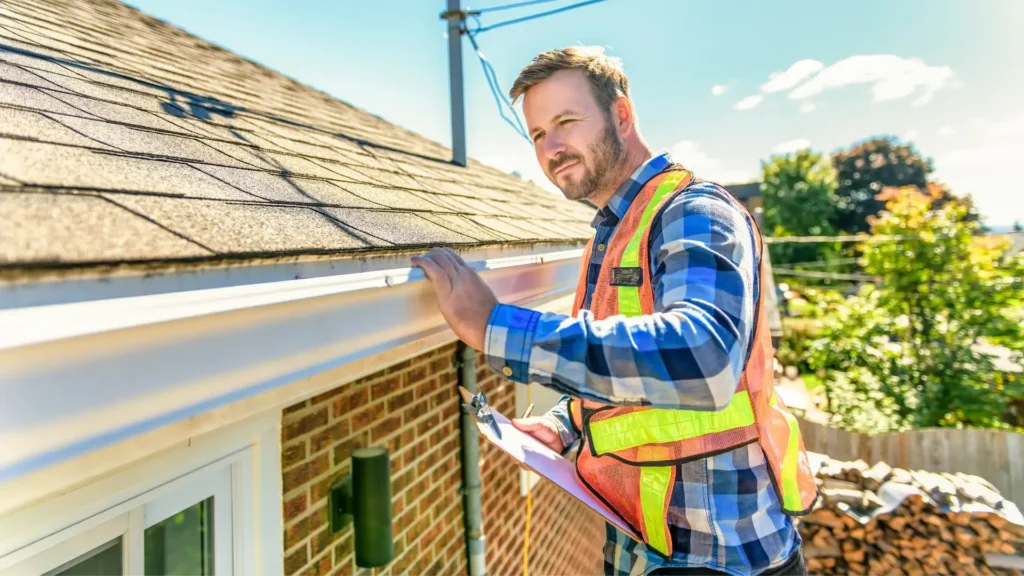
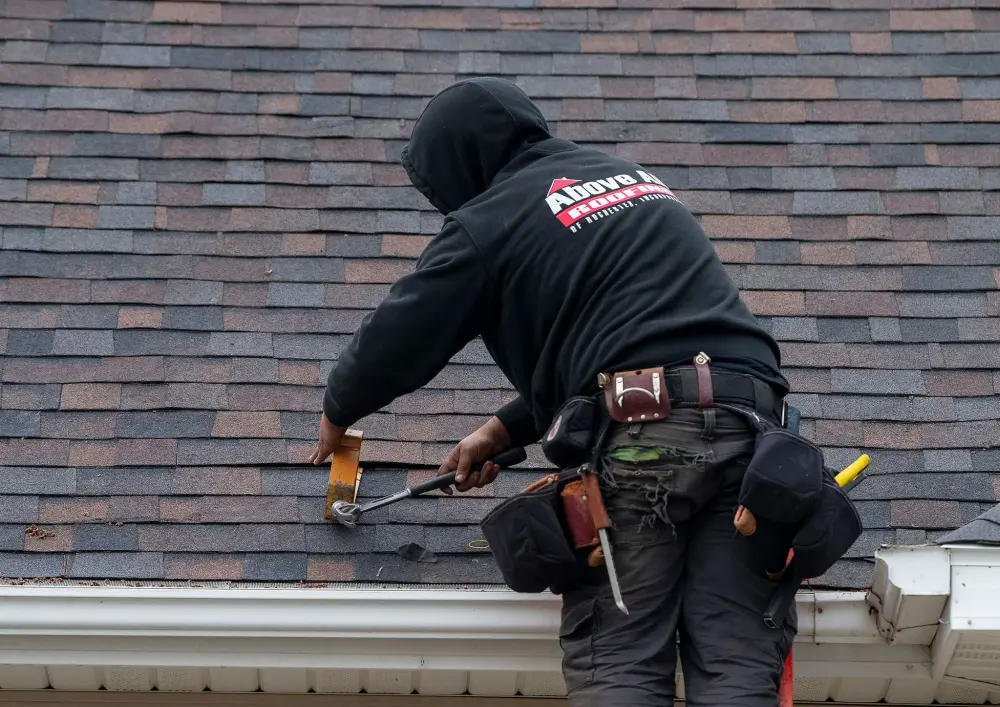
During this part of the inspection, the contractor reviews the visible condition of the roof surface and related components.
The inspection may include checking:
- Shingle condition
- Missing or loose shingles
- Curling or cracking
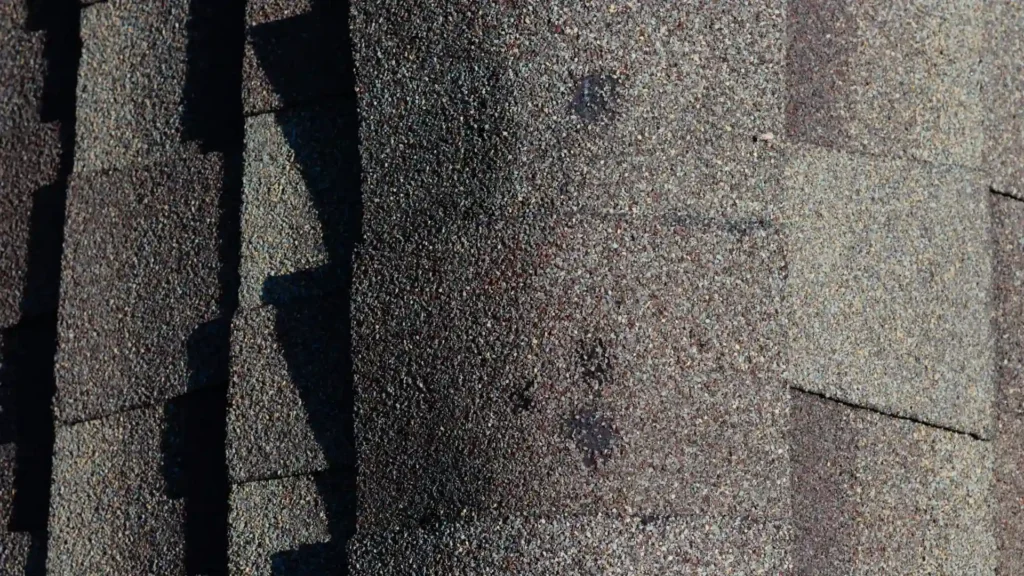
- Granule loss
- Ridge caps
- Roof valleys
- Flashing
- Vents and pipe boots
- Gutters and downspouts
- Chimneys and skylights
The contractor looks for signs of wear, damage, improper installation, and areas where water may enter.
In Rochester, this step is particularly important because wind, hail, and ice can affect different roof components in different ways.
Checking Shingles and Roofing Materials
Shingles are the primary protective layer of many residential roofing systems.
During inspection, the contractor looks for:
- Cracked shingles
- Bruised shingles
- Missing shingles
- Lifted edges
- Exposed nails
- Excessive granule loss
- Uneven wear patterns
Granule loss can be an early sign that shingles are aging or have been damaged by hail. Missing or lifted shingles may allow water to reach the underlayment beneath the roof surface.
A trained roofer can tell whether the issue appears isolated or part of a larger pattern.
Inspecting Flashing and Seals
Flashing protects some of the most vulnerable areas of the roof.
Common flashing locations include:
- Chimneys
- Skylights
- Roof valleys
- Plumbing vents
- Wall intersections
- Dormers
Because these areas experience concentrated water flow, they must be sealed and installed properly.
During inspection, the contractor checks for:
- Loose flashing
- Cracked sealant
- Corrosion
- Gaps
- Improper installation
- Water entry points
Flashing failures are one of the most common causes of roof leaks. Catching these issues early can prevent significant water damage.
Evaluating Gutters and Drainage
Gutters are not always thought of as part of the roof, but they play an important role in roof performance.
A roof inspection often includes reviewing drainage conditions.
The contractor may check for:
- Clogged gutters
- Loose gutters
- Damaged downspouts
- Poor drainage
- Ice buildup concerns
- Water pooling near roof edges
When gutters fail to move water away properly, moisture can back up under shingles, damage fascia boards, or contribute to leaks.
In Rochester, gutter performance is especially important before winter because clogged gutters can worsen ice dam problems.
Checking Roof Penetrations
Any opening through the roof creates a potential leak point.
Roof penetrations include:
- Plumbing vents
- Exhaust vents
- Chimney openings
- Skylights
- Mechanical vents
During inspection, these areas are carefully reviewed for cracking, separation, damaged boots, loose fasteners, or worn sealants.
Even small issues around penetrations can lead to leaks over time.
Attic and Interior Inspection
A complete roof inspection may also include attic and interior evaluation.
The attic often reveals problems that are not visible from the roof surface.
Inspectors may look for:
- Moisture stains
- Mold growth
- Wet insulation
- Frost accumulation
- Poor airflow
- Daylight through roof boards
- Signs of previous leaks
Interior signs can help confirm whether exterior roof damage has already allowed water into the home.
This step is especially important when homeowners report water stains, musty odors, or uneven indoor temperatures.
Reviewing Attic Ventilation
Attic ventilation plays a major role in roof health.
Poor ventilation can contribute to:
- Excessive attic heat
- Moisture buildup
- Ice dams
- Mold growth
- Premature shingle aging
- Higher energy bills
During inspection, a contractor may review intake and exhaust ventilation to determine whether airflow appears balanced.
Proper attic ventilation helps protect the roofing system and improve comfort inside the home.
Identifying Storm Damage
Storm damage is one of the most common reasons homeowners schedule roof inspections.
A contractor may look for:
- Hail bruising
- Granule displacement
- Wind-lifted shingles
- Damaged flashing
- Dented vents
- Debris impact marks
- Missing ridge caps
Storm damage may not always be visible to homeowners. Hail damage, in particular, can be subtle but still affect shingle performance.
Professional documentation can also be helpful if an insurance claim is needed.
Identifying Current and Future Issues
A good inspection does not only identify immediate repairs.
It also helps homeowners understand future concerns.
The contractor may explain:
- Which areas need attention now
- Which areas should be monitored
- How much life the roof may have left
- Whether maintenance can extend roof performance
- Whether replacement planning should begin
This information helps homeowners make decisions based on roof condition rather than guesswork.
Clear Recommendations After the Inspection
After the inspection, homeowners should receive clear guidance.
Recommendations may include:
- No immediate action needed
- Minor maintenance
- Targeted roof repair
- Storm damage documentation
- Ventilation improvements
- Roof replacement planning
The contractor should explain findings in plain language and help the homeowner understand the reasoning behind each recommendation.
Good inspection communication should feel educational, not pressured.
How Long Does a Roof Inspection Take?
The timing depends on the size and complexity of the roof.
A typical residential inspection may take less than an hour, while larger homes, churches, or commercial properties may take longer.
Factors that affect inspection time include:
- Roof size
- Roof pitch
- Number of penetrations
- Accessibility
- Storm damage concerns
- Interior or attic access
The goal is not speed. The goal is accuracy and a complete understanding of roof condition.
Roof Inspections for Churches and Commercial Properties
Churches and commercial buildings often have more complex roofing systems than single-family homes.
These properties may include:
- Larger roof surfaces
- Flat or low slope areas
- Multiple drainage points
- Mechanical equipment
- Complex flashing details
- Higher occupancy needs
Regular inspections help church leaders, facility managers, and commercial property owners plan maintenance budgets and avoid unexpected disruptions.
Above All Roofing provides roof inspection services for homes, churches, and commercial properties throughout Rochester and surrounding Southeast Minnesota communities.
Conclusion
A professional roof inspection gives homeowners and property owners a clear understanding of roof condition. It helps identify hidden damage, evaluate shingles and flashing, check ventilation, review drainage, and provide practical recommendations for maintenance, repair, or replacement.
In Rochester, MN, regular inspections are especially important because Minnesota weather can accelerate roofing wear. Snow, ice, hail, wind, and heavy rain all create conditions that can damage roofs over time.
Whether you are concerned about storm damage, preparing for winter, buying a home, or simply trying to extend the life of your roof, a professional inspection is a smart step toward protecting your property.
Frequently Asked Questions
What does a roof inspection include?
A roof inspection typically includes checking shingles, flashing, gutters, vents, roof penetrations, attic conditions, ventilation, and signs of leaks or storm damage.
Do I need a roof inspection if I do not see any leaks?
Yes. Many roofing problems develop before leaks become visible inside the home.
How often should I schedule a roof inspection?
Most homeowners should schedule an inspection every few years and after major storms.
Can a roof inspection help with insurance claims?
Yes. Inspection documentation can help support storm damage claims when damage is present.
Should commercial buildings have roof inspections?
Yes. Commercial and church roofing systems benefit from regular inspections because larger roof areas can develop hidden drainage or membrane issues.