The Shingle That Became the Standard
If you have had a roof replaced in the last 15 to 20 years, there is a good chance architectural shingles are already on your home. They have become the default choice for residential roofing across the country, and for good reason. They outperform the previous standard in almost every category that matters to a Minnesota homeowner.
Understanding what sets them apart helps you make a more informed decision when it comes time to choose materials for your next roof.
What Makes a Shingle Architectural?
Architectural shingles, also called dimensional or laminate shingles, are made by bonding two layers of shingle material together. That laminated construction gives them a thicker profile, a more textured appearance, and significantly better durability compared to single-layer three-tab shingles.
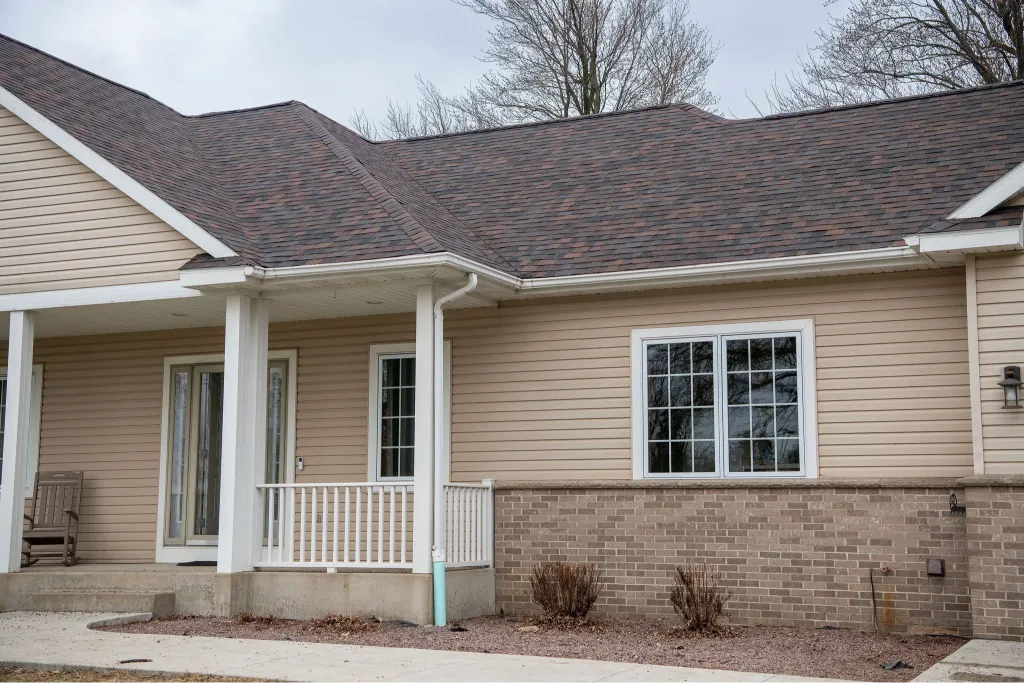
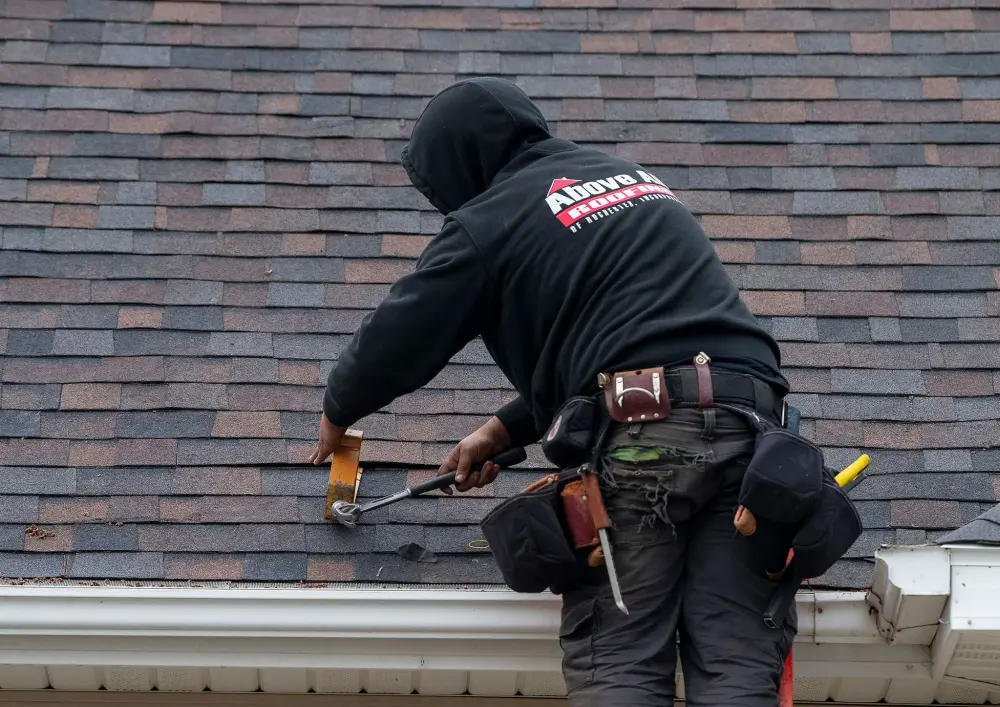
The name comes from their visual depth. When installed, they create a shadow line and a layered look that resembles wood shake or slate from a distance. That dimensional appearance has made them the preferred choice for homeowners who want a roof that looks as good as it performs.
How Do Architectural Shingles Compare to Three-Tab Shingles?
Three-tab shingles were the standard for decades. They are flat, uniform in appearance, and lighter than architectural shingles. They are also less expensive upfront.
The tradeoffs are significant, though.
- Three-tab shingles are thinner and more prone to cracking, curling, and wind damage over time.
- They typically carry 20 to 25 year warranties, while most architectural shingles carry lifetime limited warranties.
- Their wind resistance rating is generally lower, which matters in Minnesota where severe storms are a regular occurrence.
- They have largely been phased out of the market in favor of architectural products, and many contractors no longer install them.
For the modest price difference, most homeowners find architectural shingles to be the better long-term investment.
What Are the Key Features of Architectural Shingles?
When evaluating architectural shingles for a Minnesota home, a few features stand out as particularly relevant.
- Wind resistance. Most architectural shingles are rated to withstand winds of 110 to 130 miles per hour. Some premium lines are rated even higher. In a state where severe thunderstorms and straight-line winds are common, this rating matters.
- Granule protection. The ceramic granules embedded in the surface of the shingle protect the asphalt core from UV degradation. Better granule adhesion means a longer-performing shingle.
- Impact resistance class. Class 3 and Class 4 rated shingles are tested to withstand hail impact without cracking. In southeast Minnesota, where hail is a seasonal reality, this rating is worth paying attention to. Some insurance carriers offer premium discounts for homes with Class 4 rated roofing.
- Algae resistance. Many architectural shingle lines include copper granules that inhibit algae and moss growth. This is relevant in Minnesota’s humid summers, where dark streaking on roofs is a common problem on older homes.
- Weight and deck requirements. Architectural shingles are heavier than three-tab shingles, which is part of what makes them more durable. Most standard roof decks handle the additional weight without issue, but it is worth confirming with your contractor on older homes.
What Brands Are Commonly Used in Minnesota?
A few manufacturers consistently show up on quality residential roofs in the Rochester area.
Owens Corning is one of the most widely recognized names in asphalt shingles. Their Duration and TruDefinition lines are popular choices that offer strong warranty coverage and reliable performance.
CertainTeed is another well-regarded brand. Their Landmark series is a commonly specified product for residential replacements in this region.
Malarkey is known for producing shingles with enhanced impact resistance and strong environmental credentials. Their Vista and Legacy lines use a rubberized asphalt that performs well in cold climates.
Your contractor should be able to explain why they use the products they recommend, including warranty details, impact resistance ratings, and how those products have performed in the local climate over time.
Do Architectural Shingles Come in Different Colors?
Yes. Most architectural shingle lines are available in a wide range of colors, from traditional charcoal and weathered wood tones to more distinctive blends. Color choice affects both the appearance and the thermal performance of the roof.
Darker shingles absorb more heat, which can be beneficial for snow shedding in winter but can also increase attic temperatures in summer if ventilation is not adequate. Lighter shingles reflect more heat, which can reduce cooling loads in warm months.
Most homeowners in Minnesota prioritize performance and aesthetics in roughly equal measure. A roofing contractor familiar with the local climate can help you think through the tradeoffs.
How Long Do Architectural Shingles Last in Minnesota?
Under normal conditions with proper installation and adequate attic ventilation, a quality architectural shingle roof in Minnesota can last 25 to 35 years. Premium lines with impact-resistant construction often perform toward the higher end of that range.
Several factors influence actual lifespan:
- Quality of installation
- Attic ventilation
- Exposure to severe weather events
- Roof pitch and drainage
- Color and heat absorption
The manufacturer warranty covers material defects, while the contractor’s workmanship warranty covers installation quality. Understanding both before your project begins protects your investment over the long term.
Frequently Asked Questions
Are architectural shingles worth the extra cost over three-tab?
For most homeowners, yes. The price difference between the two products is modest, and the performance gap is significant. Better durability, stronger wind ratings, longer warranties, and improved appearance make architectural shingles the better value in most situations.
Can architectural shingles be installed over existing shingles?
In some cases, a second layer can be installed over an existing layer of shingles. However, most roofing professionals recommend a full tear-off. Installing over an existing layer can trap moisture, add weight, and void manufacturer warranties. It also prevents a thorough inspection of the roof deck.
What is the difference between architectural and luxury shingles?
Luxury shingles are a step above architectural in terms of thickness, weight, and visual impact. They are designed to mimic slate or wood shake more closely. They carry higher price points and are most often used on higher-end homes or where curb appeal is a priority.
Do architectural shingles hold up to Minnesota winters?
Yes. Quality architectural shingles are designed to perform through freeze-thaw cycling and heavy snow loads. Proper installation with adequate ice and water shield at the eaves is critical in Minnesota’s climate to prevent ice dam damage.
What color shingles are most popular in Rochester, MN?
Charcoal, weathered wood, and brown blends are consistently popular in the Rochester area. These tones complement the brick, stone, and siding common in southeast Minnesota homes.
Final Thoughts
Architectural shingles have become the standard for good reason. They outperform older products in durability, wind resistance, and appearance, and they hold up well in Minnesota’s demanding climate when installed correctly. If you are planning a roof replacement in Rochester or the surrounding area, Above All Roofing can walk you through your options and help you choose the right product for your home and budget.
Call (507) 281-8585 or visit rochesterroofs.com to schedule your free inspection.