Two Different Warranties, Two Different Protections
When you invest in a new roof, you are not just paying for shingles and labor. You are also paying for the protection that comes with it. Most homeowners are surprised to learn that a new roof typically comes with two separate warranties, and they cover very different things.
Knowing the difference matters. If something goes wrong with your roof down the road, which warranty applies depends entirely on whether the problem is a material defect or an installation error. Confusing the two can cost you time and money when you need help most.
The Manufacturer Warranty
The manufacturer warranty covers the roofing materials themselves. If shingles crack, blister, or fail prematurely due to a product defect, the manufacturer is responsible for making it right.
Most major shingle manufacturers offer what is called a lifetime limited warranty on their architectural shingle lines. Brands like Owens Corning, CertainTeed, and Malarkey all carry lifetime warranties on their premium products. In practical terms, lifetime typically means the warranty is valid for as long as you own the home, though coverage often reduces to a prorated basis after a certain number of years.
A few things to know about manufacturer warranties:
- They cover material defects, not damage caused by weather, improper installation, or neglect.
- They are often transferable to a new owner, though the coverage period or terms may change at the point of sale.
- Some manufacturers offer enhanced warranty tiers when the work is completed by a certified contractor. These enhanced warranties can extend coverage periods and add protections not available through standard warranties.
- Registration is sometimes required within a certain window after installation to activate full warranty benefits.
Ask your contractor which manufacturer warranty applies to your specific product and whether registration is needed.
The Workmanship Warranty
The workmanship warranty covers the installation itself. If your roof leaks because of how it was installed rather than because of a defective shingle, the workmanship warranty is what protects you.
This is where contractors differ significantly. Some offer no workmanship warranty at all. Others offer a short one-year or two-year window. The best contractors stand behind their work with longer, more meaningful coverage.
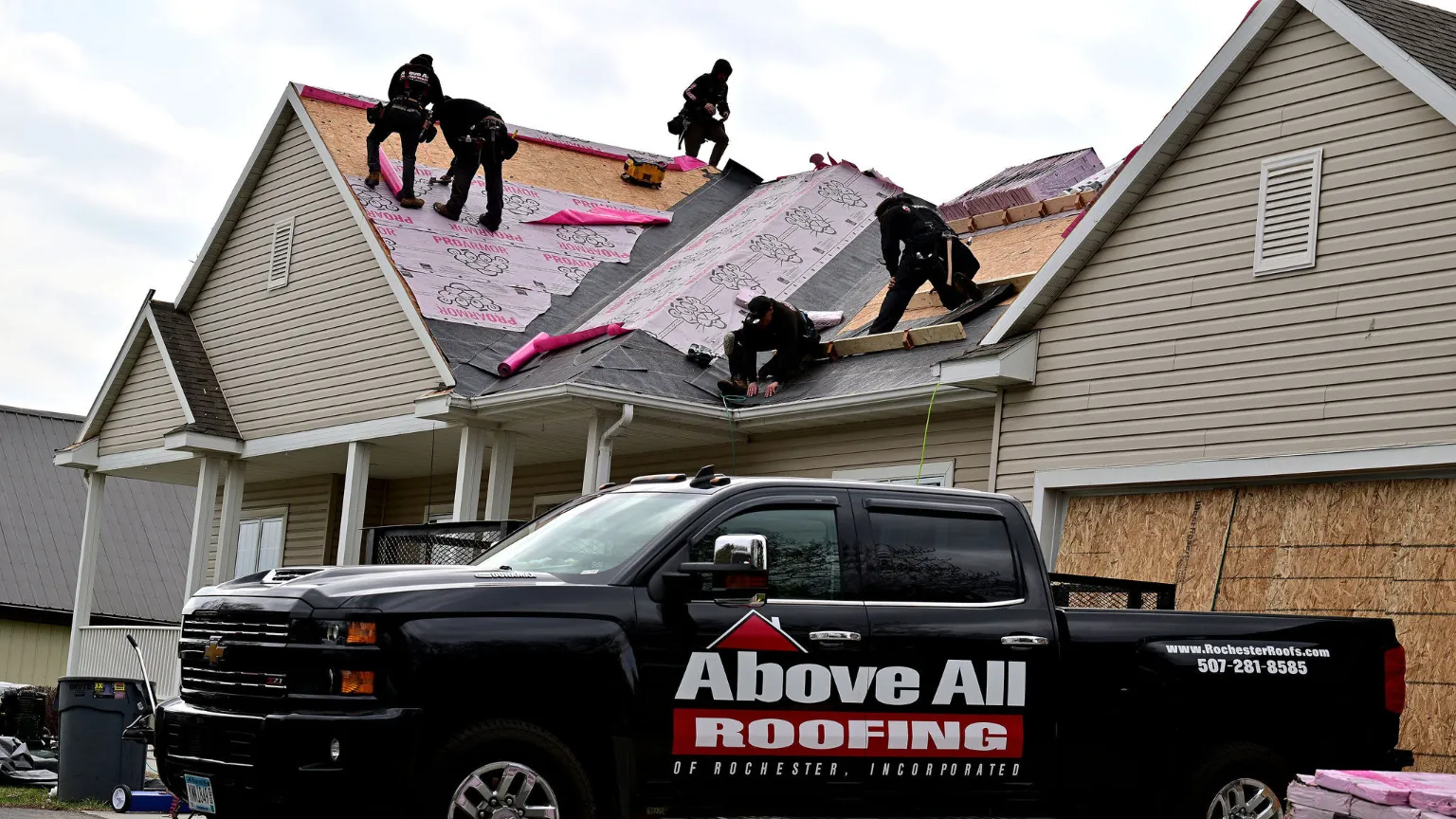
Above All Roofing provides a lifetime workmanship warranty. That means if a problem traces back to how your roof was installed, it is covered. This kind of commitment is worth paying attention to when comparing contractors, because the workmanship warranty is the one entirely within the contractor’s control.
A few things to understand about workmanship warranties:
- They are only as good as the contractor offering them. A warranty from a company that goes out of business is worthless.
- They typically do not cover storm damage, normal wear and tear, or problems caused by homeowner modifications.
- They should be provided in writing before the project begins, not after.
What Is Not Covered by Either Warranty
Both warranties have exclusions, and it is important to read them carefully.
Common exclusions include:
- Damage caused by hail, wind, or other storm events
- Problems resulting from foot traffic or improper maintenance
- Damage caused by modifications to the roof after installation
- Failure caused by inadequate attic ventilation, which can void manufacturer warranties in some cases
- Normal granule loss over time, which is expected as shingles age
Storm damage is typically handled through your homeowners insurance policy rather than either warranty. If a hail or wind event damages your roof, the right call is an inspection followed by an insurance claim if the damage qualifies.
Why Attic Ventilation Matters for Your Warranty
One detail many homeowners overlook is that improper attic ventilation can void a manufacturer warranty. If your attic runs too hot, it accelerates shingle degradation from the underside. Manufacturers know this and build it into their exclusions.
A reputable roofing contractor evaluates your ventilation system as part of any roof replacement. If your intake or exhaust ventilation is inadequate, addressing it at the time of installation protects both the roof and the warranty. Skipping that step to save money can create a much larger problem later.
How Long Do Roofing Warranties Last in Minnesota?
Warranty length varies by product and contractor, but here is a general picture:
- Standard architectural shingles carry lifetime limited manufacturer warranties
- Enhanced manufacturer warranties through certified contractors can extend or strengthen that coverage
- Workmanship warranties range from one year on the low end to lifetime coverage from the best contractors
- Metal roofing paint warranties typically run 40 to 45 years, with the metal itself lasting much longer
Minnesota’s climate adds some context here. Freeze-thaw cycles, ice dams, heavy snow loads, and summer hail all put real stress on roofing systems. Choosing a contractor who uses quality products and backs their installation with strong warranty coverage is not just a nice-to-have. In this climate, it is a practical decision.
What to Ask Before You Sign a Roofing Contract
Before any work begins, get clear answers on both warranties in writing.
- What manufacturer warranty comes with the shingles being installed?
- Does completing the work with a certified contractor unlock enhanced warranty coverage?
- What workmanship warranty does the contractor provide?
- Is the workmanship warranty in writing and included in the contract?
- Are there any actions that could void either warranty?
A contractor who hesitates or gets vague on these questions deserves a closer look. Good contractors know their warranties and explain them without being asked twice.
Frequently Asked Questions
Does a roof warranty transfer when I sell my home?
Many manufacturer warranties are transferable to a new owner, though the terms may change. Some require a transfer fee and formal notification to the manufacturer. Check the specific warranty documentation for the product on your roof.
What voids a roof warranty?
Common causes include improper attic ventilation, installing a second layer of shingles over existing ones, pressure washing the roof, walking on the roof without care, or making modifications without a licensed contractor.
Does my homeowners insurance overlap with my roof warranty?
They cover different things. Your warranty covers defects and installation errors. Your homeowners insurance covers sudden damage from covered events like hail or wind. In some cases both may be relevant, but they are separate protections.
How do I make a warranty claim?
For manufacturer warranty claims, contact the manufacturer directly with documentation of the defect and your proof of purchase. For workmanship warranty claims, contact your roofing contractor. Keep your contract, warranty documents, and any inspection reports in a file you can access easily.
Is a lifetime warranty actually lifetime?
Lifetime in roofing warranties typically means as long as you own the home. Coverage often becomes prorated after a certain number of years, meaning the manufacturer’s contribution decreases over time. Read the fine print to understand exactly what your specific warranty covers at each stage.
Final Thoughts
A roof warranty is only as valuable as the company standing behind it. When choosing a roofing contractor in Rochester, MN, ask about both the manufacturer warranty on the materials and the workmanship warranty on the installation. Above All Roofing backs every installation with a lifetime workmanship warranty because we believe the work should hold up as long as the roof does.
Call (507) 281-8585 or visit rochesterroofs.com to schedule your free inspection and estimate.