Introduction
Few home maintenance issues create more stress for homeowners than discovering a roof leak. Whether it appears as a water stain on the ceiling, a drip during a rainstorm, or moisture in the attic, a leak is often a sign that your roofing system needs immediate attention.
In Rochester, MN, roofs face a variety of challenges throughout the year. Heavy snowfall, ice dams, spring rains, hailstorms, strong winds, and freeze thaw cycles all contribute to roofing wear and tear. Over time, these weather conditions can weaken roofing materials and create pathways for water intrusion.
One of the biggest misconceptions about roof leaks is that they always originate directly above the visible water damage. In reality, water can travel through roofing components, insulation, and framing before becoming visible inside the home. This makes identifying the true source of a leak more complicated than many homeowners expect.
Understanding the most common causes of roof leaks can help homeowners recognize warning signs early and take action before minor issues become major repairs.
Why Roof Leaks Are Common in Southeast Minnesota
Roofs serve as the first line of defense against Minnesota’s changing weather conditions.
Throughout the year, roofing systems in Rochester experience:
- Heavy snow loads
- Ice buildup
- Strong winds
- Hail impacts
- Temperature fluctuations
- Heavy rainfall
- UV exposure
Every season introduces new stresses to roofing materials. Over time, these stresses can weaken components and create opportunities for moisture intrusion.
While modern roofing systems are designed for durability, no roof lasts forever. Regular inspections and maintenance play an important role in preventing leaks before they begin.
Damaged or Missing Shingles
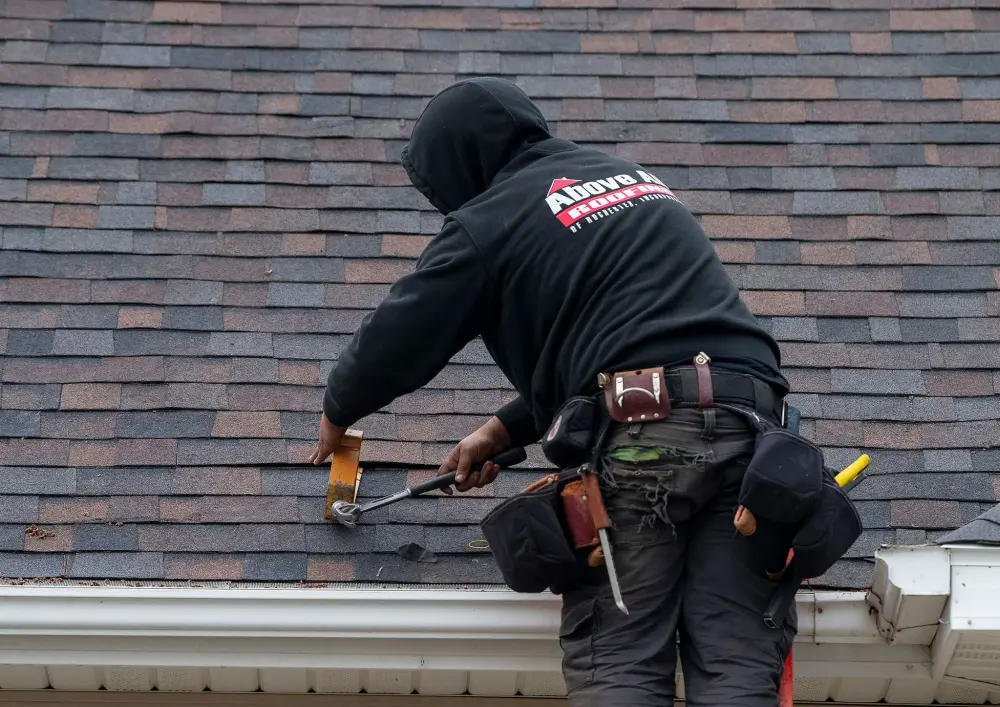
One of the most common causes of roof leaks is damaged or missing shingles.
Shingles create the primary barrier that protects the roof from water intrusion. When they become compromised, the layers beneath become exposed to moisture.
Common causes of shingle damage include:
- Wind uplift
- Hail impact
- Aging materials
- Improper installation
- Falling branches
- Storm debris
Homeowners may notice:
- Missing shingles
- Cracked shingles
- Curled edges
- Loose shingles
- Granule loss
Even a single missing shingle can allow water to reach the underlayment and decking beneath the roof surface.
Because Rochester experiences seasonal windstorms and severe weather events, damaged shingles are one of the most frequent roofing issues local homeowners encounter.
Wind Damage and Hidden Leak Sources
Wind damage is often more difficult to identify than homeowners realize.
While missing shingles are easy to spot, wind can also:
- Lift shingles without removing them
- Break adhesive seals
- Create creases in shingles
- Loosen flashing
- Expose nail heads
These issues may not cause immediate leaks but can weaken the roofing system over time.
After a significant windstorm, homeowners should consider scheduling a professional roof inspection even if obvious damage is not visible from the ground.
Flashing Failures
Flashing is one of the most important components of any roofing system.
Flashing is typically installed around:
- Chimneys
- Plumbing vents
- Skylights
- Roof valleys
- Wall intersections
These areas experience concentrated water flow and require additional protection.
Flashing failures often occur when:
- Sealants crack
- Metal corrodes
- Fasteners loosen
- Improper installation occurs
Because flashing protects some of the roof’s most vulnerable areas, even small failures can lead to significant water intrusion.
In many cases, flashing issues are responsible for leaks that appear around chimneys, vent pipes, and upper-story walls.
Roof Valleys and Water Concentration
Roof valleys are another common source of leaks.
A valley is the area where two roof slopes meet. During rain and snow melt, valleys channel large amounts of water toward the drainage system.
Problems can develop when:
- Valley flashing fails
- Debris accumulates
- Shingles deteriorate
- Installation errors occur
Because valleys handle high volumes of water, even minor issues can quickly become major leak sources.
Routine inspections help ensure valleys remain in good condition.
Ice Dams in Winter
Ice dams are a major concern for homeowners throughout Rochester and Southeast Minnesota.
Ice dams form when:
- Heat escapes into the attic
- Snow melts on the roof
- Water flows toward colder roof edges
- The water refreezes and creates a barrier
Once an ice dam forms, additional water can become trapped behind it.
This trapped water may:
- Back up beneath shingles
- Penetrate the underlayment
- Enter the attic
- Cause interior water damage
Ice dams are particularly problematic because they often occur during winter when roofing repairs are more challenging.
Proper insulation, ventilation, and roof maintenance can help reduce ice dam risks.
Clogged Gutters and Poor Drainage
Gutters play a critical role in directing water away from the roof and foundation.
When gutters become clogged, water may:
- Overflow onto roofing materials
- Pool near roof edges
- Back up beneath shingles
- Damage fascia boards
- Increase leak potential
Common causes of gutter blockage include:
- Leaves
- Twigs
- Seed pods
- Dirt buildup
- Ice accumulation
Homeowners should clean gutters regularly, particularly during the fall season.
Maintaining proper drainage is one of the simplest ways to reduce the risk of roof leaks.
Aging Roofing Materials
Every roofing system eventually reaches the end of its useful life.
As materials age, they naturally become more vulnerable to leaks.
Signs of aging include:
- Granule loss
- Cracking
- Curling shingles
- Brittleness
- Discoloration
- Reduced waterproofing performance
Asphalt shingle roofs in Minnesota often last between 20 and 30 years depending on material quality, installation, ventilation, and maintenance.
Older roofs require closer monitoring because small issues are more likely to develop into leaks.
In some situations, roof replacement may be more cost effective than continuing to perform repeated repairs on an aging system.
Roof Vent and Pipe Boot Failures
Many homeowners are surprised to learn that roof penetrations are frequent leak sources.
Pipe boots and vent flashings surround plumbing vents that extend through the roof.
Over time, these components may:
- Crack from UV exposure
- Deteriorate due to weather
- Separate from roofing materials
- Lose flexibility
Once these seals fail, water can enter around the penetration and leak into the home.
Because these areas are relatively small, problems often go unnoticed until water damage appears indoors.
Storm Damage and Hail Impacts
Storm damage is another leading cause of roof leaks in Rochester.
Hail can:
- Crack shingles
- Remove protective granules
- Damage flashing
- Create hidden weaknesses
Strong winds can compound the problem by lifting already weakened materials.
Even if a roof does not leak immediately after a storm, damage may shorten the lifespan of roofing components and increase the likelihood of future leaks.
Prompt inspection following major weather events helps identify storm-related issues before they worsen.
Why Professional Leak Detection Matters
One of the most challenging aspects of roof leaks is identifying the true source.
Water rarely travels in a straight line.
A leak may:
- Enter near a vent
- Travel along decking
- Move through insulation
- Appear several feet away from the entry point
This is why professional evaluation is often necessary.
A thorough roof inspection can identify:
- Hidden moisture damage
- Flashing failures
- Ventilation concerns
- Storm damage
- Aging components
- Structural issues
Accurate diagnosis is essential for effective roof repair.
How Homeowners Can Help Prevent Roof Leaks
Preventive maintenance remains one of the best defenses against roof leaks.
Homeowners should:
- Schedule regular inspections
- Clean gutters seasonally
- Trim overhanging branches
- Monitor attic conditions
- Address storm damage promptly
- Repair minor issues before they worsen
Proactive maintenance often costs significantly less than major repairs resulting from water damage.
Conclusion
Roof leaks are one of the most common roofing problems homeowners face in Rochester, MN. While damaged shingles, flashing failures, ice dams, clogged gutters, and aging materials are among the most frequent causes, every leak is unique and requires proper evaluation.
The sooner a roofing issue is identified, the easier and less expensive it is typically to repair. Regular inspections, seasonal maintenance, and prompt attention to warning signs can help protect your home from water damage and extend the lifespan of your roof.
Above All Roofing provides roof inspection, roof repair, roof replacement, and storm damage restoration services throughout Rochester, MN and surrounding Southeast Minnesota communities. If you suspect your roof may be leaking, professional evaluation can help identify the source and recommend the most effective solution.
Frequently Asked Questions
What is the most common cause of roof leaks?
Damaged shingles and flashing failures are among the most common causes of roof leaks.
Can a roof leak start without storm damage?
Yes. Aging materials, ventilation issues, and normal wear can all contribute to roof leaks.
How do I know where a roof leak is coming from?
Water often travels before becoming visible. A professional inspection is usually needed to identify the true source.
Are ice dams responsible for roof leaks?
Yes. Ice dams can force water beneath shingles and cause significant interior damage.
How often should I have my roof inspected?
Most homeowners should schedule a roof inspection every few years and after major storms.