Introduction
Storms are a fact of life in Rochester, MN and throughout Southeast Minnesota. Homeowners regularly experience strong winds, hail, heavy rain, and winter storms that can place significant stress on roofing systems. While some storm damage is immediately obvious, many roofing problems remain hidden until water begins entering the home.
The hours and days following a storm are critical. Taking the proper steps can help minimize damage, protect your investment, and make the repair process much easier. Whether your property has experienced a severe hailstorm, damaging winds, or heavy snowfall, knowing what to do next can help you avoid unnecessary expenses and protect your home from long term structural issues.
Here is a step-by-step guide for homeowners who want to ensure their roof remains safe and secure after a storm.
Why Storm Damage Should Never Be Ignored
Many homeowners assume that if there are no visible leaks, their roof must be fine. Unfortunately, storm damage is not always obvious.
Wind can loosen shingles without completely removing them. Hail can bruise shingles and weaken their protective layers. Flashing can become damaged without causing immediate leaks. Over time, these seemingly minor issues can lead to water intrusion, mold growth, insulation damage, and structural deterioration.
Minnesota’s freeze thaw cycles can make the situation even worse. Water that enters small openings can freeze and expand during colder months, creating larger cracks and accelerating roof deterioration.
Addressing storm damage early often results in less extensive repairs and lower overall costs.
Step 1: Perform a Safe Ground Level Inspection
After the storm has passed and conditions are safe, begin by inspecting your property from the ground.
Look for visible signs of damage such as:
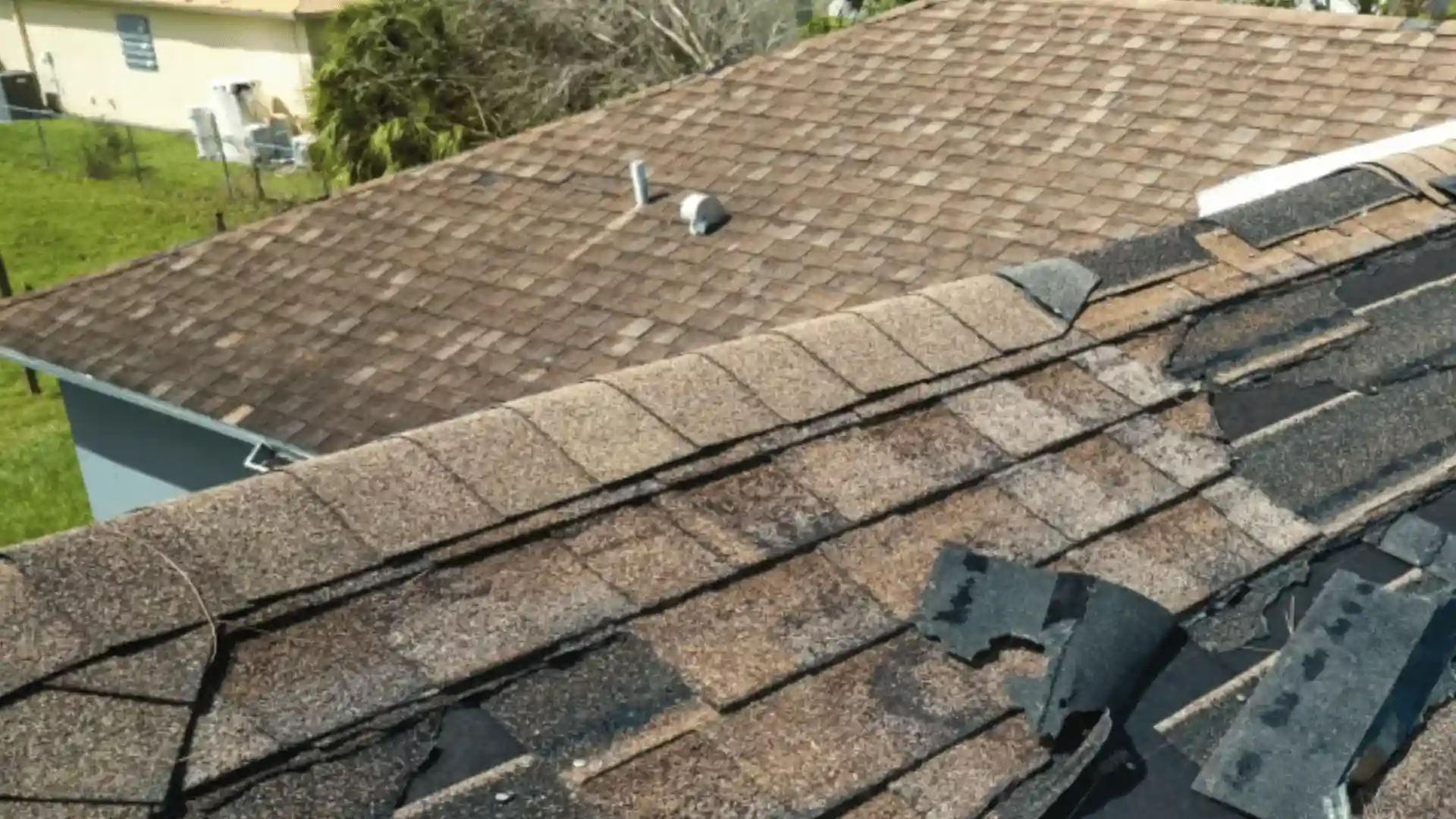
- Missing shingles
- Lifted or curled shingles
- Pieces of roofing material in the yard
- Fallen tree branches
- Bent gutters or downspouts
- Damaged flashing
- Debris accumulation on the roof
Using binoculars can help provide a closer look without putting yourself at risk.
It is important to avoid climbing onto the roof. Wet surfaces, loose shingles, and hidden structural damage can create dangerous conditions. A professional inspection is always safer and more thorough.
Step 2: Inspect the Interior of Your Home
Storm damage often reveals itself inside the home before it becomes visible on the roof.
Check areas including:
- Ceilings
- Attics
- Upper floor walls
- Around skylights
- Near chimneys
Watch for warning signs such as:
- Water stains
- Peeling paint
- Wet insulation
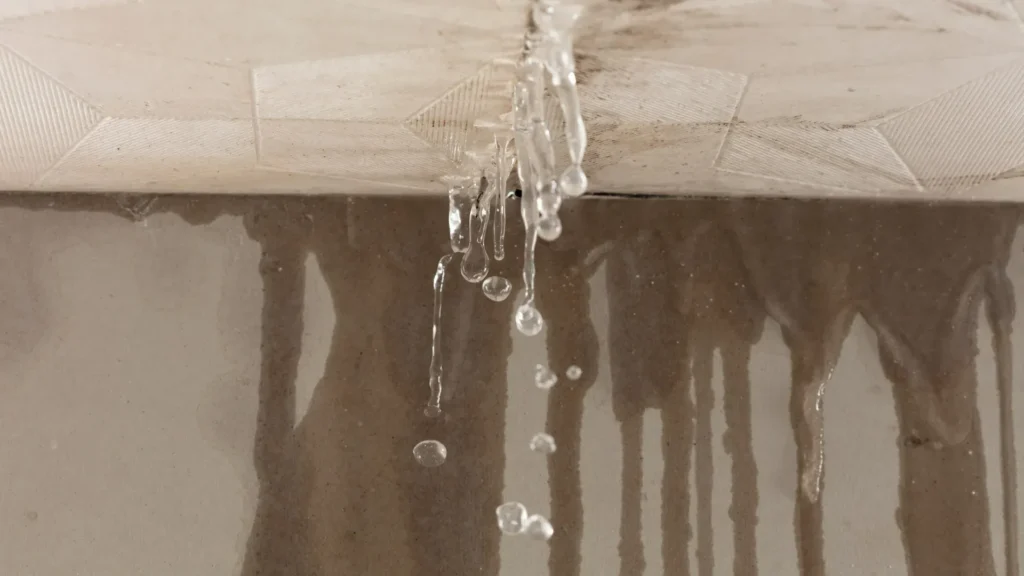
- Dripping water
- Musty odors
- Mold growth
Even a small stain can indicate that moisture has already entered the roofing system. Early detection can help prevent larger structural problems.
Step 3: Document Any Visible Damage
Proper documentation is extremely important, especially if an insurance claim may be necessary.
Take clear photographs of:
- Damaged roofing materials
- Fallen branches
- Dented gutters
- Interior leaks
- Water stains
- Damaged siding or windows
Document the date of the storm and keep records of any observations you make.
Good documentation provides valuable evidence during the insurance process and helps establish the timeline of damage.
Step 4: Schedule a Professional Roof Inspection
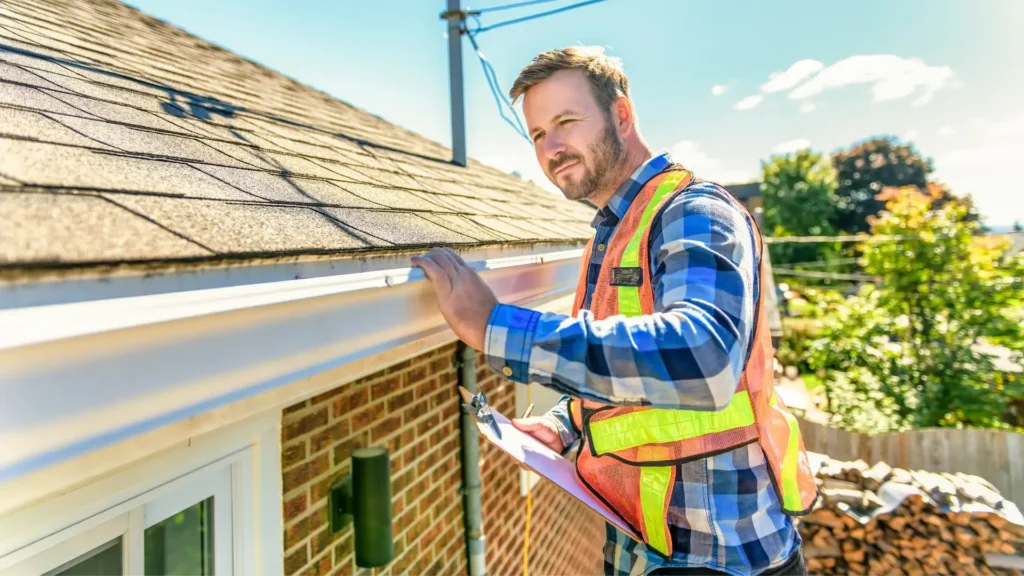
One of the most important steps after a storm is scheduling a professional roof inspection.
A qualified roofing contractor can identify damage that homeowners often miss, including:
- Hail bruising
- Lifted shingles
- Flashing damage
- Vent damage
- Hidden moisture intrusion
- Structural concerns
A professional roof inspection provides a detailed assessment of your roofing system and can help determine whether repairs or replacement may be necessary.
Many insurance companies also rely on professional inspection reports when evaluating storm-related claims.
Step 5: Understand the Difference Between Cosmetic and Functional Damage
Not all storm damage affects the roof in the same way.
Cosmetic damage may include:
- Minor dents
- Surface marks
- Small aesthetic imperfections
Functional damage affects the roof’s ability to protect the home and may include:
- Cracked shingles
- Missing shingles
- Water penetration
- Damaged flashing
- Compromised waterproofing
Understanding the difference helps homeowners make informed decisions about repairs and insurance claims.
A professional evaluation is often necessary to accurately distinguish between cosmetic and functional damage.
Step 6: Review Your Repair and Replacement Options
After the inspection is complete, homeowners should review their options carefully.
In many cases, targeted roof repair is sufficient when damage is localized.
Repair may be appropriate when:
- Damage is limited to a small area
- The roof is relatively new
- Structural components remain intact
Roof replacement may be recommended when:
- Damage is widespread
- Multiple sections are affected
- The roof is nearing the end of its lifespan
- Significant hail or wind damage exists
Understanding these options helps homeowners choose the most cost-effective solution for long term protection.
Step 7: Start the Insurance Process Promptly
If the inspection reveals storm-related damage, it is important to contact your insurance provider as soon as possible.
The claims process typically includes:
- Filing the claim
- Scheduling an adjuster visit
- Reviewing damage assessments
- Approving repairs or replacement
Delays can complicate the process and may result in additional damage occurring before repairs begin.
Working with a local roofing contractor familiar with storm damage restoration can help simplify the process.
Common Storm Damage Questions Homeowners Ask
Many homeowners have similar concerns after a storm event.
The most common questions include:
- Is my roof damaged if there are no leaks?
Yes. Many forms of storm damage remain hidden initially.
- Should I wait to see if a leak develops?
No. Delaying inspection can allow damage to worsen.
- Can hail damage shorten roof lifespan?
Yes. Even minor hail impacts can weaken shingles over time.
- Does homeowners insurance cover storm damage?
Many policies cover sudden storm-related damage, but coverage varies by policy.
Why Local Experience Matters
Roofing systems in Rochester face unique challenges that contractors in other regions may not fully understand.
Local roofing professionals are familiar with:
- Minnesota weather patterns
- Hail damage trends
- Snow load requirements
- Ice dam risks
- Regional building codes
Working with a contractor who understands Southeast Minnesota conditions helps ensure repairs are completed properly and designed for long term performance.
Conclusion
Storm damage can occur even when a roof appears fine from the ground. Taking immediate action after a storm helps homeowners identify problems early, protect their property, and avoid more costly repairs in the future.
By performing a safe visual inspection, documenting damage, checking for leaks, and scheduling a professional roof inspection, homeowners can make informed decisions about their roofing system.
Above All Roofing provides storm damage assessments, roof repair, roof replacement, and roof inspection services for homeowners, churches, and commercial property owners throughout Rochester, MN and surrounding Southeast Minnesota communities. When storms strike, prompt action and professional guidance can help protect your investment for years to come.
Frequently Asked Questions
How soon should I inspect my roof after a storm?
As soon as conditions are safe. Early inspection helps identify damage before additional weather causes further deterioration.
Can hail damage a roof without causing leaks?
Yes. Hail can bruise shingles and weaken their protective surface without creating immediate leaks.
Should I climb onto my roof to inspect it?
No. Storm-damaged roofs can be unstable and dangerous. Ground-level inspections are safer until a professional can evaluate the roof.
How do I know if I need repairs or replacement?
A professional roof inspection is the best way to determine whether localized repairs or full replacement is the most appropriate solution.
Will insurance cover storm damage?
Many homeowners insurance policies cover sudden storm-related damage, but coverage depends on the specific policy and circumstances.