Introduction
Roof problems are easy to put off, especially when they seem small. A missing shingle, a faint ceiling stain, or a small drip during heavy rain may not feel urgent at first. Many homeowners wait to see if the issue gets worse before calling a contractor.
Unfortunately, roofing damage rarely improves on its own.
In Minnesota, weather conditions can make minor roof problems worse in a short amount of time. Rochester homeowners deal with heavy snow, spring rain, strong winds, hail, ice dams, and repeated freeze thaw cycles. These conditions put constant pressure on roofing systems. A small opening in the roof can allow moisture to enter, and once water gets inside, the damage can spread far beyond the original problem area.
Understanding what happens when repairs are delayed can help homeowners make better decisions and avoid unnecessary costs.
Why Delaying Repairs Is Risky
A roof is designed to work as a complete system. Shingles, flashing, underlayment, decking, ventilation, and gutters all help protect the home from moisture and weather.
When one part of that system fails, the surrounding areas become more vulnerable.
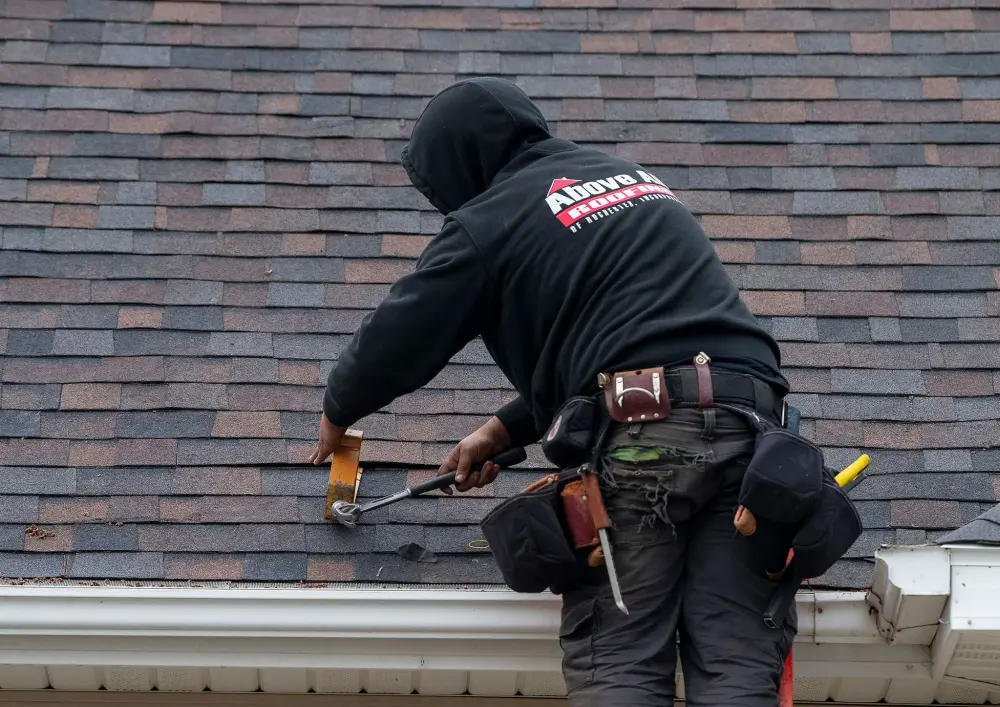
For example, one lifted shingle may expose the underlayment. If rain reaches that underlayment repeatedly, it can begin to weaken. Over time, moisture can reach the decking beneath. Once the decking becomes damaged, repairs become more involved and more expensive.
Delaying roof repair often allows the problem to move from the exterior surface into the structure of the home.
That is why early action matters.
How Small Roof Problems Become Larger Issues
Small roofing issues often begin quietly.
Common early problems include:
- Missing shingles
- Cracked shingles
- Loose flashing
- Minor leaks
- Granule loss
- Storm damage
- Clogged gutters
At first, these problems may not affect daily life. The home may still feel dry and comfortable. However, roofing damage often spreads behind the scenes.
Water can travel along roof decking, rafters, insulation, and wall cavities. By the time stains appear on the ceiling, the leak may have already affected a larger area than expected.
This is one reason professional roof inspections are so important. They help identify the true extent of the issue before the damage becomes more serious.
Water Damage Escalation
Water intrusion is one of the biggest risks of delaying roof repairs.
Even a small leak can lead to:
- Saturated insulation
- Damaged drywall
- Wood rot
- Mold growth
- Stained ceilings
- Peeling paint
- Electrical concerns
One of the most frustrating parts of water damage is that it does not always appear directly below the leak. Water can enter one part of the roof and travel several feet before showing up inside the home.
This can make the source difficult to identify without professional evaluation.
Wet insulation is another serious concern. Once insulation becomes saturated, it loses effectiveness. This can increase heating and cooling costs and create moisture problems inside the attic.
How Freeze Thaw Cycles Make Damage Worse
Minnesota winters create a unique challenge for roofing systems.
When water enters small cracks or openings, it can freeze as temperatures drop. Frozen water expands. This expansion can widen gaps, lift materials, and create new pathways for moisture.
When temperatures rise again, the ice melts and allows more water to enter. This cycle can repeat throughout the winter.
Freeze thaw damage can affect:
- Shingles
- Flashing
- Sealants
- Roof decking
- Gutters
- Roof edges
In Rochester, this repeated seasonal stress can quickly turn a minor issue into a larger repair.
The longer repairs are delayed, the more opportunities moisture has to freeze, expand, and cause additional damage.
Ice Dams Can Make Delayed Repairs Worse
Ice dams are common in Minnesota, especially when attic insulation or ventilation problems exist.
An ice dam forms when heat escapes into the attic and warms the roof surface. Snow melts, runs down the roof, and refreezes near the colder roof edge. This creates a ridge of ice that blocks proper drainage.
If the roof already has weak spots, ice dams can make the problem worse.
Water can back up under shingles and enter the home. This may cause:
- Ceiling stains
- Wet insulation
- Damaged walls
- Mold growth
- Roof edge deterioration
Delaying roof repairs before winter can increase the risk of ice dam-related damage.
Why Repair Costs Increase Over Time
One of the most practical reasons to address roofing problems early is cost control.
A small repair may involve replacing a few shingles or resealing flashing. If ignored, that same issue can lead to damaged decking, insulation replacement, interior repairs, and possible structural work.
Delayed repairs often result in:
- Larger repair areas
- More materials
- Additional labor
- Interior restoration costs
- Emergency service needs
In some cases, a problem that could have been resolved with roof repair becomes serious enough to require roof replacement.
This does not mean every delayed repair leads to full replacement, but the risk increases when damage is allowed to spread.
Structural Damage Risks
A roof leak does not only affect shingles.
If water reaches structural components, it can weaken the home over time.
Potential structural concerns include:
- Rotting roof decking
- Damaged rafters
- Sagging roof areas
- Weakened ceiling materials
- Compromised framing
These issues are more serious than surface-level roofing damage.
Sagging areas, soft spots, or visible wood deterioration should always be evaluated promptly. Structural damage can create safety concerns and may require more extensive repairs.
Mold and Indoor Air Quality Concerns
Moisture inside the home can create conditions for mold growth.
Mold may develop in:
- Attics
- Insulation
- Wall cavities
- Ceilings
- Around ventilation areas
Mold is especially concerning because it may not be immediately visible. A musty odor in the attic or upper floor rooms can be an early warning sign.
Preventing roof leaks and repairing damage quickly helps reduce the likelihood of moisture-related indoor air quality issues.
How Delayed Repairs Affect Energy Efficiency
Roof damage can also affect energy efficiency.
When moisture damages insulation or airflow becomes disrupted, the home may become harder to heat and cool.
Homeowners may notice:
- Higher utility bills
- Uneven room temperatures
- Drafts near upper levels
- Ice dams in winter
- Excess attic heat in summer
Roofing problems, insulation issues, and attic ventilation often work together. A professional inspection can help identify whether a roof issue is contributing to comfort or energy concerns.
Safety Concerns from Severe Roof Damage
Delaying repairs can eventually create safety risks.
These may include:
- Falling shingles or debris
- Sagging roof sections
- Ceiling damage
- Water near electrical systems
- Slippery exterior surfaces
While most roofing issues begin as maintenance problems, severe neglect can create unsafe conditions.
Homeowners should take immediate action if they notice active leaks, sagging rooflines, or interior ceiling damage.
When Homeowners Should Take Action
Homeowners should not wait if they notice signs of roof trouble.
Schedule an inspection if you see:
- Water stains
- Missing shingles
- Mold odors
- Loose flashing
- Granules in gutters
- Storm damage
- Sagging roof areas
- Repeated ice dams
The sooner the issue is identified, the easier it usually is to repair.
A professional roof inspection can determine whether the problem is minor, moderate, or urgent.
How Preventive Maintenance Helps Avoid Major Repairs
Preventive maintenance is one of the best ways to reduce roofing costs over time.
Maintenance may include:
- Seasonal roof inspections
- Gutter cleaning
- Flashing checks
- Minor shingle repairs
- Attic ventilation review
- Post-storm evaluations
Regular maintenance helps homeowners catch problems before they become emergencies.
For homes in Rochester and surrounding Southeast Minnesota communities, inspections before winter and after severe storms are especially valuable.
Working With a Local Roofing Contractor
Local experience matters when it comes to Minnesota roofing systems.
A Rochester roofing contractor understands:
- Freeze thaw damage
- Snow load concerns
- Ice dam risks
- Hail and wind patterns
- Local building expectations
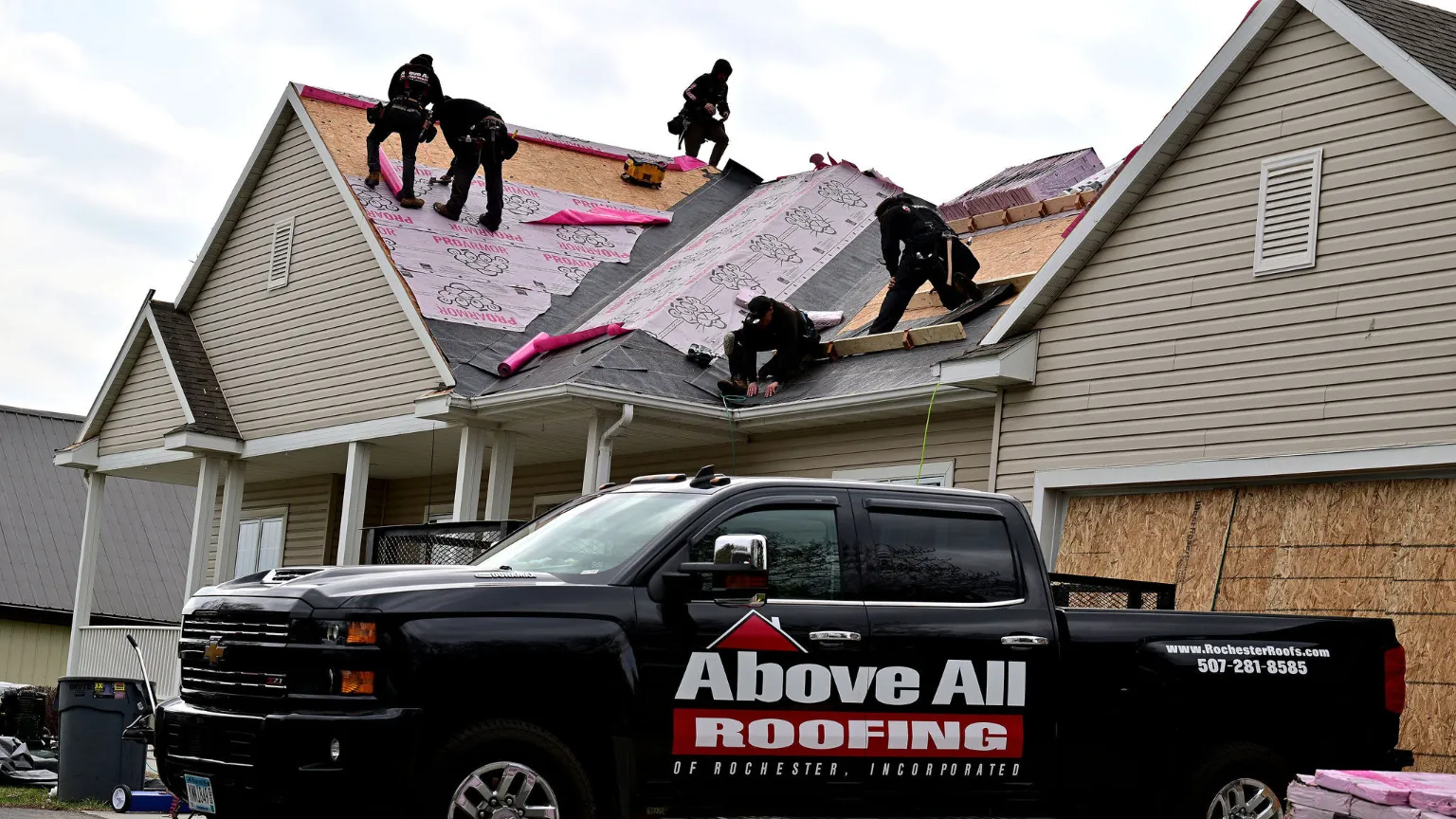
Above All Roofing provides roof repair, roof inspection, roof replacement, and storm damage restoration services for homeowners, churches, and commercial property owners throughout Rochester, MN.
A local contractor can help evaluate damage accurately and recommend solutions that make sense for the property and climate.
Conclusion
Delaying roof repairs may seem harmless at first, but small roofing issues can become serious problems in Minnesota’s climate. Water intrusion, freeze thaw cycles, ice dams, structural damage, mold growth, and higher repair costs are all possible when damage is left untreated.
Prompt action helps protect the home, preserve the roofing system, and reduce long term expenses.
If you notice missing shingles, water stains, storm damage, or signs of leaks, scheduling a professional roof inspection is the best next step. Above All Roofing helps homeowners in Rochester, MN address roofing problems early so they do not become larger and more expensive repairs.
Frequently Asked Questions
How long can you wait to repair a roof leak?
It is best not to wait. Even a small leak can spread quickly, especially during heavy rain or winter freeze thaw cycles.
Can a small roof leak cause structural damage?
Yes. If water reaches the roof decking, rafters, or framing, it can cause rot and weaken structural components over time.
Will delaying repairs make my roof replacement more expensive?
It can. Delayed repairs may allow damage to spread, which can increase labor, materials, and interior repair costs.
Should I repair my roof before winter?
Yes. Addressing roof problems before winter helps reduce the risk of ice dams, leaks, and freeze thaw damage.
How do I know if I need repair or replacement?
A professional inspection can determine whether the damage is localized enough for repair or widespread enough to require replacement.