Introduction
When homeowners think about storm damage, hail often gets most of the attention. However, strong winds can be just as destructive to a roofing system. In Rochester, MN and throughout Southeast Minnesota, seasonal storms frequently produce wind gusts capable of loosening shingles, damaging flashing, and exposing roofs to water intrusion.
One of the biggest challenges with wind damage is that it is not always immediately visible. A roof may appear intact from the ground while hidden damage is slowly developing beneath the surface. Small areas of damage can worsen over time, especially when exposed to rain, snow, and freeze thaw cycles common in Minnesota.
Understanding how to recognize wind damage can help homeowners take action before minor issues become major roofing problems. Here are the most important signs to watch for after a windstorm.
Why Wind Damage Is Common in Rochester, MN
Rochester experiences a wide range of weather conditions throughout the year. Thunderstorms, strong spring winds, severe summer weather, and winter storms all place stress on roofing materials.
Wind affects roofs differently than hail. Rather than creating visible impact marks, wind often works by lifting roofing materials and breaking the seals that keep shingles securely attached.
Over time, repeated wind exposure can weaken the roof’s ability to protect the home. Even moderate wind events can contribute to cumulative damage, particularly on older roofing systems.
Factors that increase the risk of wind damage include:
- Aging shingles
- Previous storm damage
- Poor installation practices
- Roofs nearing the end of their lifespan
- Exposed locations with little wind protection
Because Rochester regularly experiences strong weather systems, homeowners should inspect their property after significant wind events.
How Wind Damages a Roofing System
Wind damage does not always involve shingles blowing completely off the roof.
Instead, wind often causes:
- Shingle lifting
- Broken adhesive seals
- Creased shingles
- Exposed underlayment
- Flashing movement
- Ridge cap damage
Once protective seals are broken, future storms can cause increasingly severe damage. Water may also begin entering beneath the roofing materials, leading to leaks and moisture-related problems.
This is why even seemingly minor wind damage should be evaluated promptly.
Common Signs of Wind Damage
After a storm, homeowners should perform a safe visual inspection from the ground.
Look for:
- Missing shingles
- Lifted or curled shingle edges
- Shingles lying in the yard
- Granules collecting in gutters
- Debris accumulation on the roof
- Uneven roof appearance
Missing shingles are often the easiest sign to identify, but they are not the only indication of wind damage.
Lifted shingles can be especially problematic because they may appear normal from a distance while allowing water to penetrate beneath the roofing system.
What Are Creased Shingles?
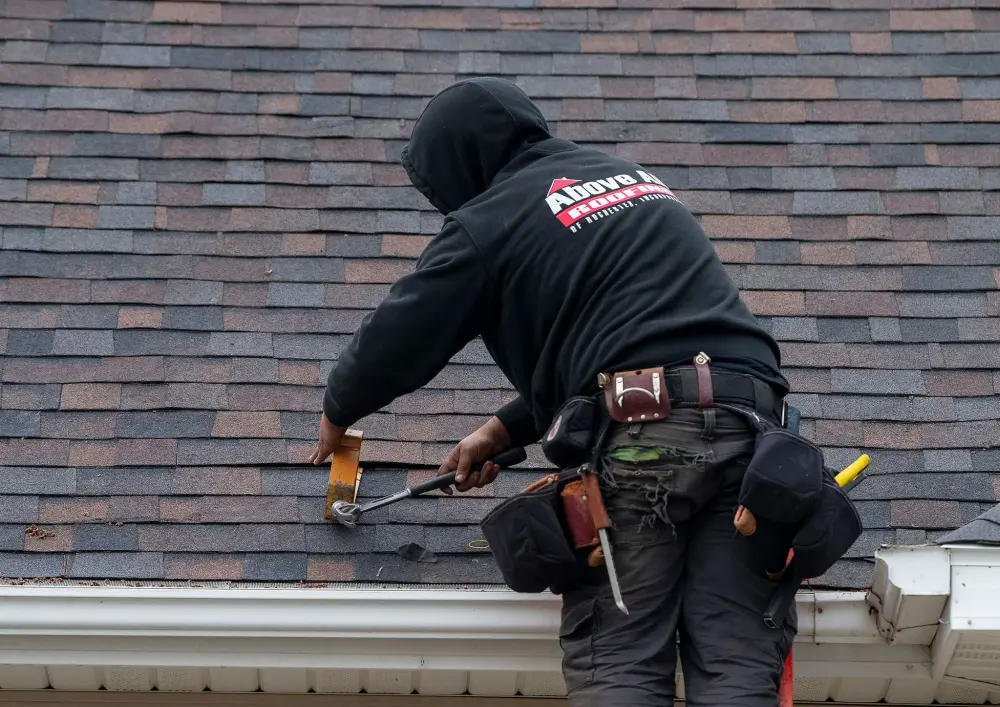
One of the most common forms of wind damage is shingle creasing.
This occurs when wind lifts a shingle and bends it beyond its normal flexibility. The result is a visible crease or fold line.
Creased shingles often:
- Lose structural integrity
- Become vulnerable to future wind damage
- Allow moisture penetration
- Require replacement
Because creasing can be difficult to identify without close inspection, a professional roof inspection is often recommended after significant wind events.
Flashing and Roof Edge Damage
Wind frequently affects vulnerable roof components before damaging the main roofing field.
Areas that should be inspected include:
- Chimney flashing
- Vent flashing
- Valley flashing
- Roof edges
- Ridge caps
Loose or damaged flashing can allow water to enter the home even when shingles appear intact.
Roof edges are particularly vulnerable because they receive the strongest wind pressure. Once wind gains access beneath roofing materials, additional sections can become compromised.
Can Wind Damage Cause Roof Leaks?
Yes.
In many cases, wind damage eventually leads to leaks.
When shingles become loose or flashing separates, water gains access to the roofing system. Moisture can travel beneath roofing materials and enter the attic before becoming visible inside the home.
Leaks caused by wind damage may not appear immediately.
Instead, homeowners may notice symptoms weeks or even months later.
This delayed response is one reason why post-storm inspections are so important.
Interior Warning Signs of Wind Damage
Roof damage is not always visible from outside the home.
Interior warning signs may include:
- Ceiling stains
- Water spots on walls
- Peeling paint
- Musty odors
- Mold growth
- Damp attic insulation
- Drafts in upper levels
Homeowners who notice any of these symptoms after a storm should schedule a professional inspection as soon as possible.
Ignoring these warning signs can allow moisture-related damage to spread throughout the structure.
Why Early Detection Matters
Small roofing issues rarely remain small.
When wind damage is left unaddressed, it can lead to:
- Water intrusion
- Insulation damage
- Wood rot
- Mold growth
- Higher energy bills
- Structural deterioration
Repairing a few damaged shingles is far less expensive than replacing sections of roof decking or addressing widespread water damage.
Early detection allows homeowners to resolve problems before they become more extensive and costly.
Should You File an Insurance Claim for Wind Damage?
The answer depends on the extent of the damage.
Many homeowners insurance policies cover sudden storm-related damage, including wind damage. However, every policy is different.
A professional inspection can help determine:
- Whether damage is storm related
- The severity of the damage
- Whether repairs or replacement are needed
- Whether documentation supports an insurance claim
Proper documentation is critical when dealing with insurance providers.
When Roof Repair Is Enough
Not all wind damage requires roof replacement.
Roof repair may be appropriate when:
- Damage is isolated
- The roof is relatively new
- Structural components remain intact
- Only a small number of shingles are affected
Timely repairs can restore the roof’s performance and prevent future issues.
When Roof Replacement May Be Necessary
Roof replacement may be recommended when:
- Damage is widespread
- Multiple sections are affected
- Previous storm damage exists
- The roof is approaching the end of its lifespan
- Repairs would be extensive and recurring
A professional evaluation helps determine the most cost-effective solution for long term protection.
Professional Evaluation Is Key
While homeowners can identify some signs of wind damage, many issues require professional assessment.
A trained roofing contractor can identify:
- Hidden damage
- Lifted shingles
- Flashing failures
- Structural concerns
- Potential leak points
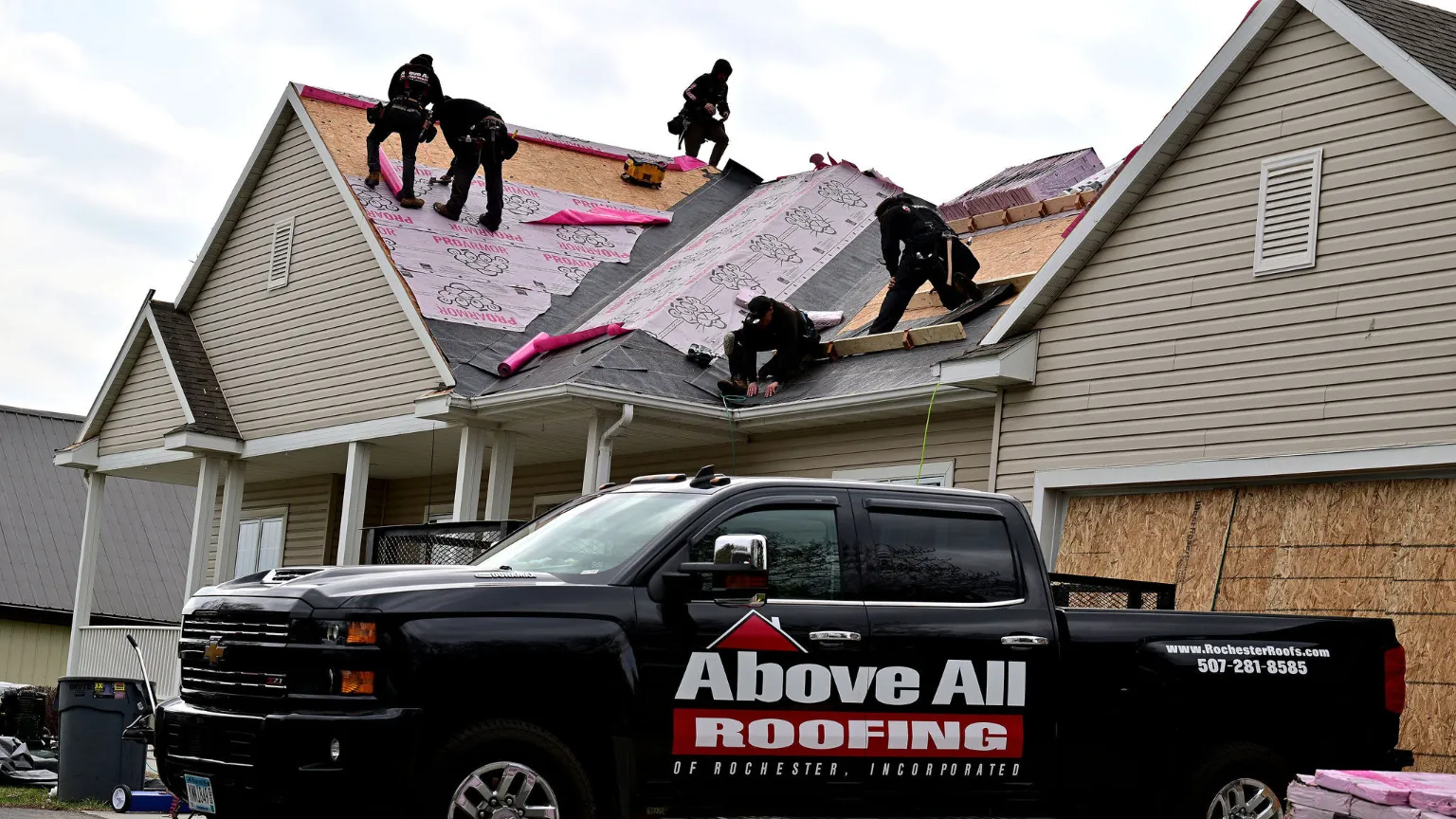
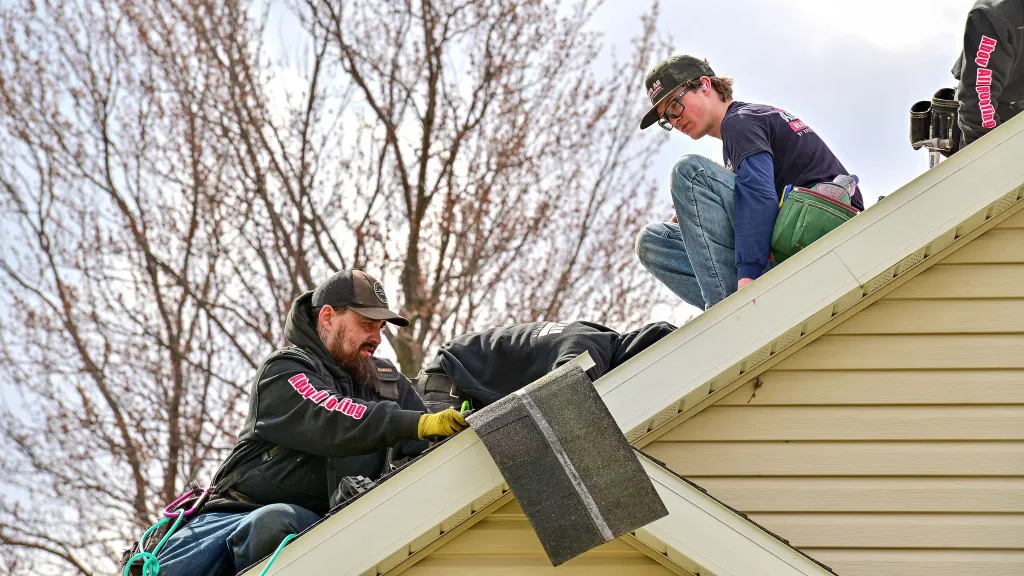
Above All Roofing provides roof inspection, roof repair, storm damage restoration, and roof replacement services throughout Rochester, MN and surrounding Southeast Minnesota communities.
Working with a local contractor ensures your roof is evaluated by professionals who understand the weather conditions and roofing challenges unique to the region.
Conclusion
Wind damage is one of the most overlooked roofing problems in Rochester, MN. While missing shingles are often obvious, many forms of wind damage remain hidden until leaks or structural issues develop.
By inspecting your property after storms, watching for warning signs, and scheduling a professional roof inspection when needed, homeowners can protect their investment and avoid more costly repairs in the future.
Above All Roofing helps homeowners, churches, and commercial property owners throughout Southeast Minnesota identify and address wind damage before it leads to larger roofing issues.
Frequently Asked Questions
Can wind damage a roof without removing shingles?
Yes. Wind can lift shingles, break adhesive seals, and create hidden damage without completely removing roofing materials.
How strong does wind need to be to damage a roof?
Damage can occur during moderate wind events, especially on older roofs or roofs with existing weaknesses.
Should I inspect my roof after every storm?
It is a good idea to visually inspect your property after significant storms and schedule a professional inspection after severe weather events.
Will insurance cover wind damage?
Many homeowners insurance policies cover sudden wind damage, but coverage depends on the specific policy and circumstances.
How quickly should wind damage be repaired?
Repairs should be completed as soon as possible to prevent water intrusion and further deterioration.