Introduction
Winter brings unique challenges for homeowners in Rochester, MN, and one of the most damaging roofing issues is the formation of ice dams.
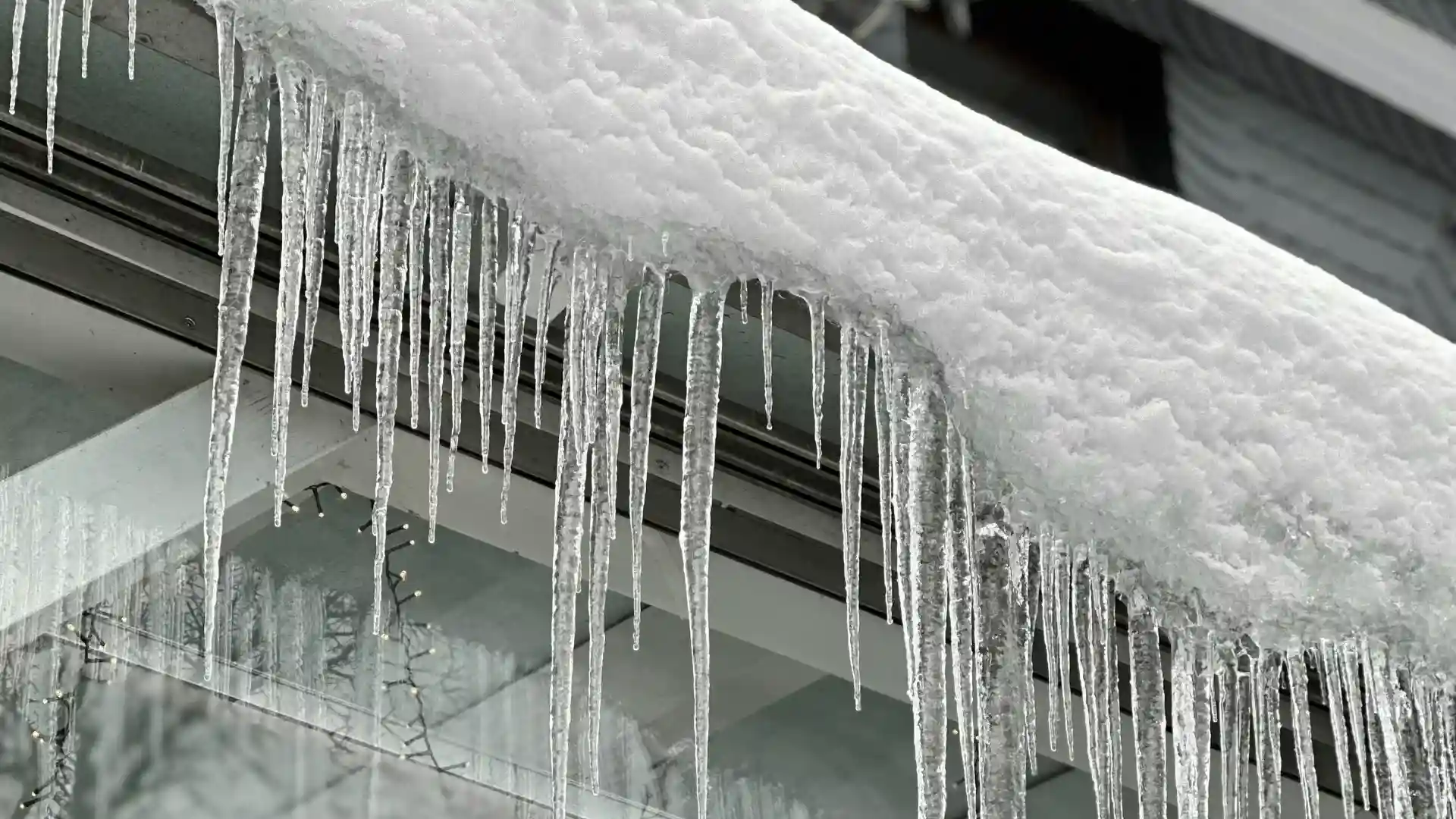
Many homeowners assume that ice dams are simply a cosmetic problem because they often appear as large icicles hanging from roof edges. However, the real problem occurs beneath the surface. Ice dams can trap water on the roof and force it into areas where moisture does not belong.
Once water enters the roofing system, it can affect insulation, decking, ceilings, walls, and structural components. What begins as a small winter issue can eventually lead to significant repair costs if left unaddressed.
Because Minnesota experiences long winters, frequent snowfall, and repeated temperature fluctuations, understanding how ice dams form and how they damage roofs is essential for homeowners who want to protect their property.
What Is an Ice Dam?
An ice dam is a ridge of ice that forms along the edge of a roof and prevents melting snow from draining properly.
The process usually follows several steps:
- Snow accumulates on the roof
- Heat escapes from the home into the attic
- The roof surface warms
- Snow begins to melt
- Meltwater flows toward colder roof edges
- Water refreezes at the eaves
- Ice gradually builds up
As more snow melts, additional water becomes trapped behind the ice barrier.
Instead of draining off the roof, the water begins pooling and seeking alternative paths.
Unfortunately, one of those paths is often beneath the shingles.
Why Ice Dams Are Common in Rochester, MN
Ice dams are particularly common in Southeast Minnesota because of the region’s winter climate.
Several factors contribute to their formation:
- Frequent snowfall
- Extended freezing temperatures
- Temperature fluctuations
- Heat loss from homes
- Poor attic ventilation
- Inadequate insulation
A roof may appear completely normal from the ground while conditions for ice dam formation are already developing.
Many homes experience repeated ice dam issues every winter because the underlying causes have not been corrected.
Understanding why ice dams form is the first step toward preventing future damage.
The Role of Heat Loss in Ice Dam Formation
Heat loss is one of the primary contributors to ice dams.
Warm air naturally rises inside a home. If insulation is inadequate or air leaks exist, heat escapes into the attic.
This heat warms the roof deck from below.
As a result:
- Snow melts on upper roof sections
- Meltwater flows downward
- Water reaches colder roof edges
- Water refreezes into ice
The cycle repeats throughout the winter.
Even when outdoor temperatures remain below freezing, heat escaping from the home can create conditions that encourage snow melt and ice buildup.
This is why homes with insulation or ventilation deficiencies are often more susceptible to ice dam problems.
How Ice Dams Damage Roofs
The most serious consequence of an ice dam is water intrusion.
Roofing systems are designed to shed water downward. They are not designed to hold standing water for extended periods.
When an ice dam traps water behind it, that water may:
- Back up beneath shingles
- Reach underlayment materials
- Penetrate roof decking
- Enter attic spaces
- Leak into living areas
Once moisture enters the roofing system, the damage can spread beyond the roof itself.
Repeated ice dam events can weaken the roof’s ability to protect the home and significantly shorten its lifespan.
Roof Leaks Caused by Ice Dams
Roof leaks are among the most common signs of ice dam damage.
Homeowners may notice:
- Water stains on ceilings
- Damp attic insulation
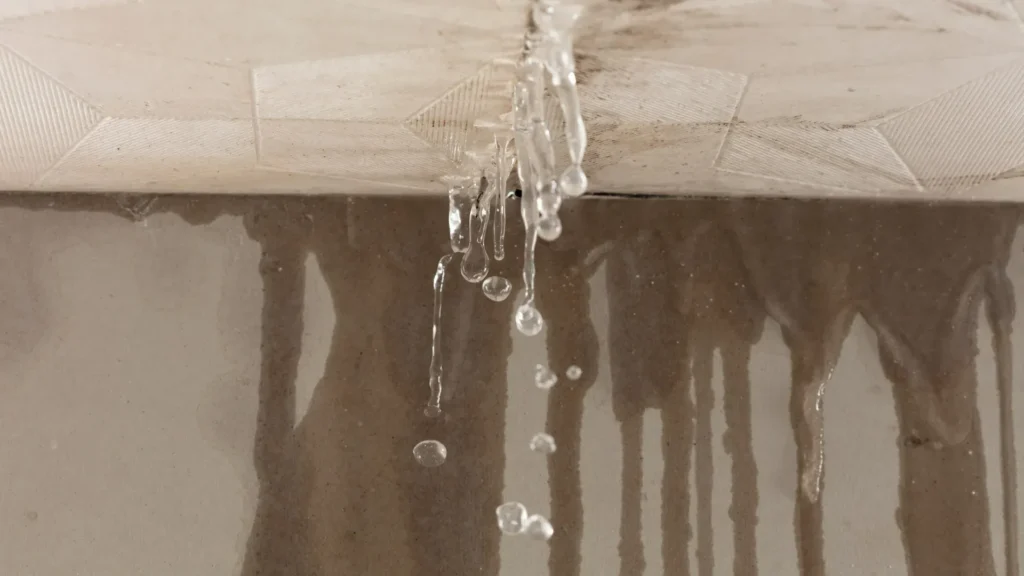
- Dripping water
- Peeling paint
- Stained walls
One of the challenges with ice dam-related leaks is that the water entry point may be far from the visible leak.
Water can travel through insulation, rafters, and framing before becoming noticeable inside the home.
By the time water stains appear, the damage may already extend beyond the original entry area.
Damage to Roof Decking
Roof decking provides the structural foundation beneath roofing materials.
When water penetrates through shingles and underlayment, it can reach the decking.
Over time, moisture exposure may cause:
- Wood rot
- Warping
- Soft spots
- Structural weakening
Damaged decking often requires more extensive repairs than surface-level roofing problems.
In severe cases, sections of decking may need replacement before new roofing materials can be installed.
How Ice Dams Affect Insulation
Attic insulation plays a critical role in maintaining energy efficiency.
When insulation becomes wet due to ice dam leaks, its effectiveness decreases significantly.
Wet insulation may lead to:
- Higher heating costs
- Reduced comfort
- Increased heat loss
- Greater ice dam formation
- Moisture-related problems
This creates a cycle where insulation damage contributes to additional ice dam issues in future winters.
Protecting insulation is one reason why addressing ice dam concerns promptly is so important.
Mold Growth and Moisture Problems
Whenever moisture enters a home, mold growth becomes a concern.
Ice dam leaks may create damp conditions in:
- Attics
- Insulation
- Ceiling cavities
- Wall spaces
- Roof decking
Mold may develop without being immediately visible.
Warning signs may include:
- Musty odors
- Discoloration
- Increased allergy symptoms
- Visible mold growth
Preventing moisture intrusion is one of the most effective ways to reduce mold risks associated with ice dams.
Structural Damage Over Time
Repeated ice dam events can eventually affect structural components.
Long term moisture exposure may contribute to:
- Rotting wood
- Weakened framing
- Ceiling damage
- Sagging materials
- Interior deterioration
While a single ice dam event may not cause severe structural issues, repeated winters of water intrusion can create substantial repair needs.
This is why homeowners should not ignore recurring ice dam problems.
Warning Signs of Ice Dams
Homeowners should watch for several signs that ice dams may be forming.
Common warning signs include:
- Large icicles along roof edges
- Thick ice accumulation at eaves
- Snow melting unevenly
- Water stains on ceilings
- Peeling paint
- Damp attic insulation
- Dripping water during winter
These signs often indicate that heat loss, ventilation problems, or moisture intrusion are already occurring.
The sooner the issue is addressed, the easier it is to prevent additional damage.
Can Ice Dams Shorten Roof Lifespan?
Yes.
Repeated ice dam formation can accelerate roofing deterioration by exposing materials to prolonged moisture and freeze thaw cycles.
Potential effects include:
- Premature shingle aging
- Flashing deterioration
- Decking damage
- Increased repair needs
- Reduced overall lifespan
Even high-quality roofing materials can experience premature wear when exposed to repeated ice dam conditions.
How Proper Ventilation Helps Prevent Ice Dams
Ventilation is one of the most effective defenses against ice dams.
A properly ventilated attic helps:
- Maintain consistent roof temperatures
- Reduce heat buildup
- Minimize snow melt
- Improve moisture control
- Protect roofing materials
Balanced attic ventilation works together with insulation to reduce the conditions that contribute to ice dam formation.
Homes with inadequate airflow often experience recurring winter roofing problems.
The Importance of Proper Insulation
Insulation helps prevent heat from escaping into the attic.
Benefits of proper insulation include:
- Reduced heat loss
- Improved energy efficiency
- More consistent roof temperatures
- Lower ice dam risk
- Increased comfort
Insulation and ventilation should be viewed as complementary systems.
Addressing only one while ignoring the other may not fully solve ice dam concerns.
How Professional Roof Inspections Help
A professional roof inspection can identify conditions that contribute to ice dam formation.
Inspectors evaluate:
- Ventilation performance
- Insulation condition
- Roofing material health
- Flashing integrity
- Signs of previous water intrusion
- Drainage concerns
These evaluations help homeowners understand both existing damage and future risks.
Professional inspections are particularly valuable before winter and after ice dam events.
Preventing Ice Dam Damage
While no roof is completely immune to winter weather, homeowners can significantly reduce ice dam risks through preventive maintenance.
Recommended strategies include:
- Improving attic insulation
- Enhancing ventilation
- Sealing attic air leaks
- Scheduling routine roof inspections
- Addressing roofing damage promptly
- Maintaining gutters and drainage systems
A proactive approach helps protect the roofing system and reduce the likelihood of costly winter repairs.
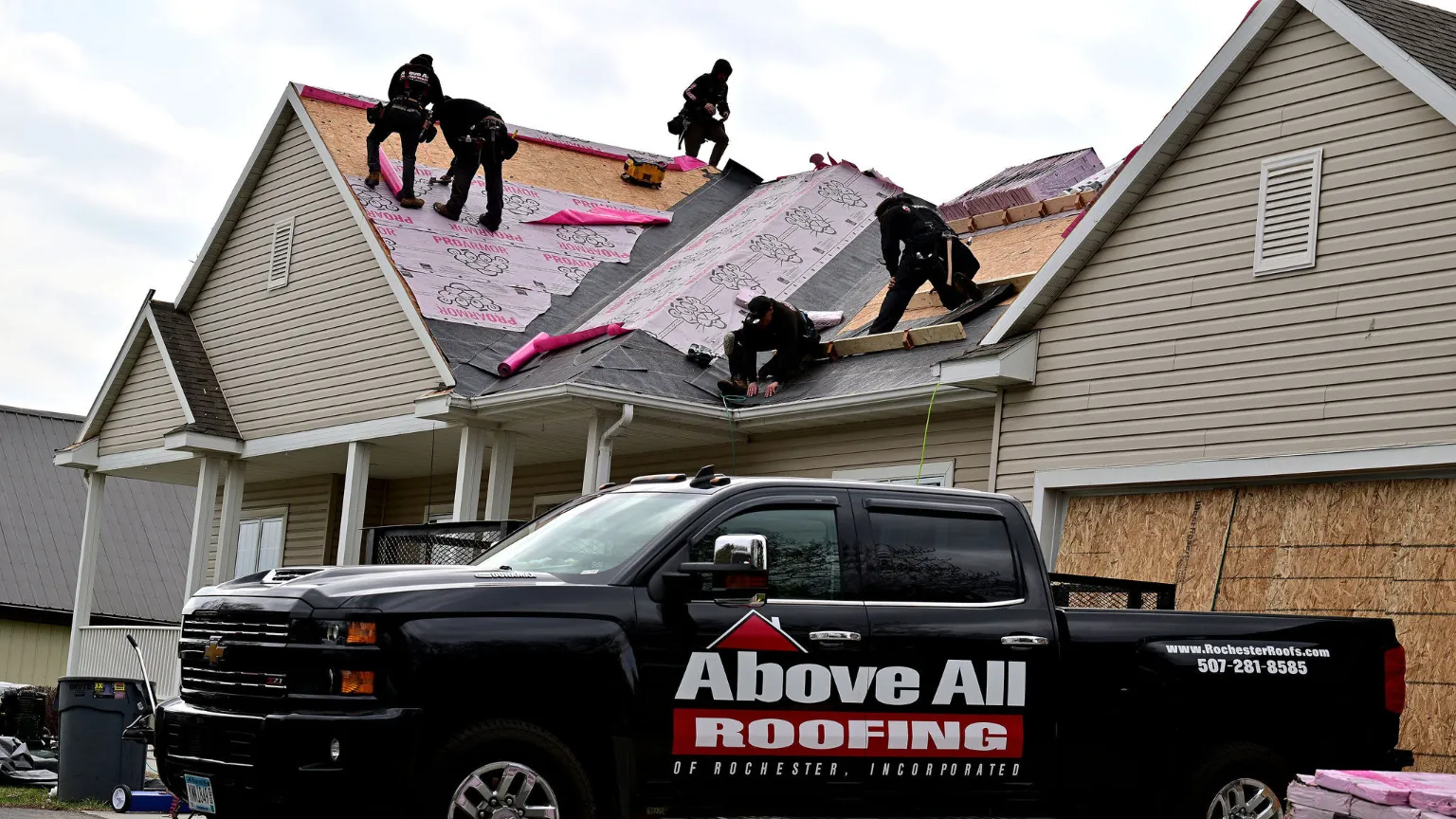
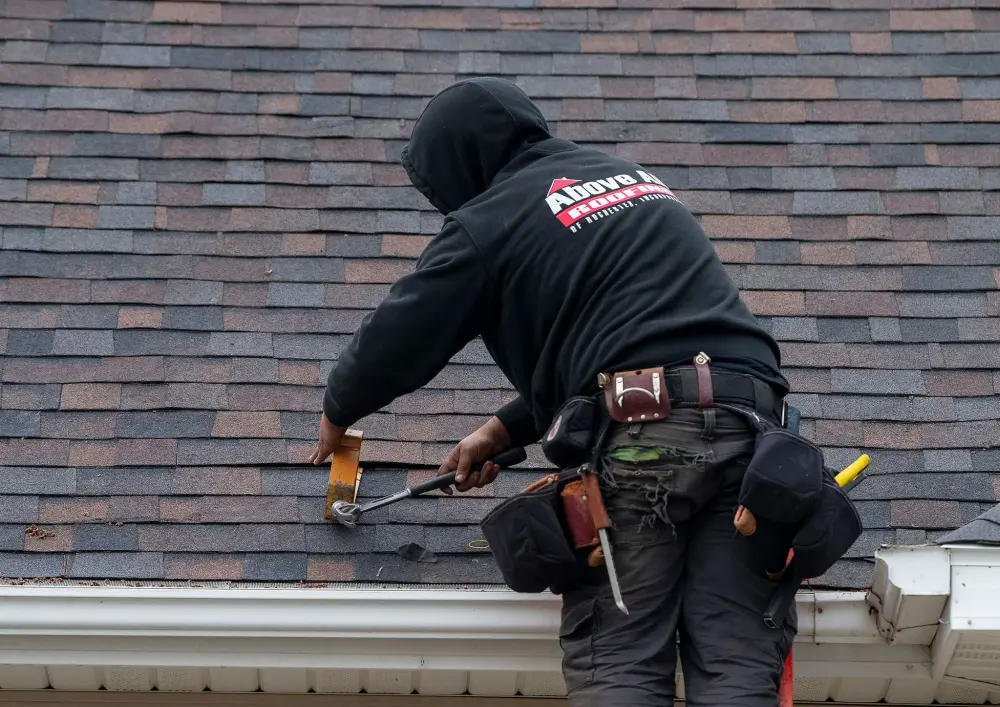
Above All Roofing provides ice dam solutions, roof inspections, and services throughout Rochester, MN and surrounding Southeast Minnesota communities.
Conclusion
Ice dams are much more than a winter inconvenience. By trapping water on the roof, they can cause leaks, insulation damage, mold growth, structural deterioration, and shortened roof lifespan.
Because Rochester’s climate creates ideal conditions for ice dam formation, homeowners should understand the warning signs and take preventive measures before winter weather arrives.
Regular roof inspections, proper insulation, adequate ventilation, and prompt repairs are some of the most effective ways to reduce the risk of ice dam damage and protect your home throughout the winter season.
Frequently Asked Questions
What causes ice dams to form?
Ice dams form when heat escaping from the home melts snow on the roof, which then refreezes along colder roof edges.
Can ice dams cause roof leaks?
Yes. Ice dams can trap water and force it beneath shingles, leading to leaks inside the home.
Are large icicles a sign of an ice dam?
Often, yes. Large icicles may indicate that snow is melting and refreezing along the roof edge.
Can insulation help prevent ice dams?
Yes. Proper insulation reduces heat loss into the attic, helping maintain more consistent roof temperatures.
How can I know if my home is vulnerable to ice dams?
A professional roof inspection can evaluate insulation, ventilation, and roofing conditions that contribute to ice dam formation.