Introduction
Not every roofing issue is an emergency, but some warning signs should never be ignored.
A small roofing problem that could have been repaired relatively easily can become a major repair project when left untreated. Water intrusion, structural weakening, mold growth, and insulation damage often begin with warning signs that homeowners overlook or delay addressing.
In Rochester, MN, weather conditions can make roofing problems worse very quickly. Heavy rain, strong winds, hail, snow accumulation, ice dams, and freeze thaw cycles place continuous stress on roofing systems. When a roof already has damage, these weather events can accelerate deterioration and increase the risk of serious structural problems.
Knowing when a roofing issue requires immediate attention can help homeowners protect their property, avoid larger repair bills, and maintain a safe living environment.
Why Immediate Action Is Important
Your roof serves as the primary barrier between your home and the elements.
When that barrier becomes compromised, water and moisture can enter areas of the home that are not designed to handle exposure.
Problems that require prompt attention often affect:
- Roofing materials
- Roof decking
- Structural framing
- Insulation
- Drywall
- Electrical systems
- Indoor air quality
The longer significant roofing damage remains unaddressed, the greater the likelihood that repairs will become more extensive and expensive.
Immediate action can often limit damage and prevent secondary problems from developing.
Active Roof Leaks
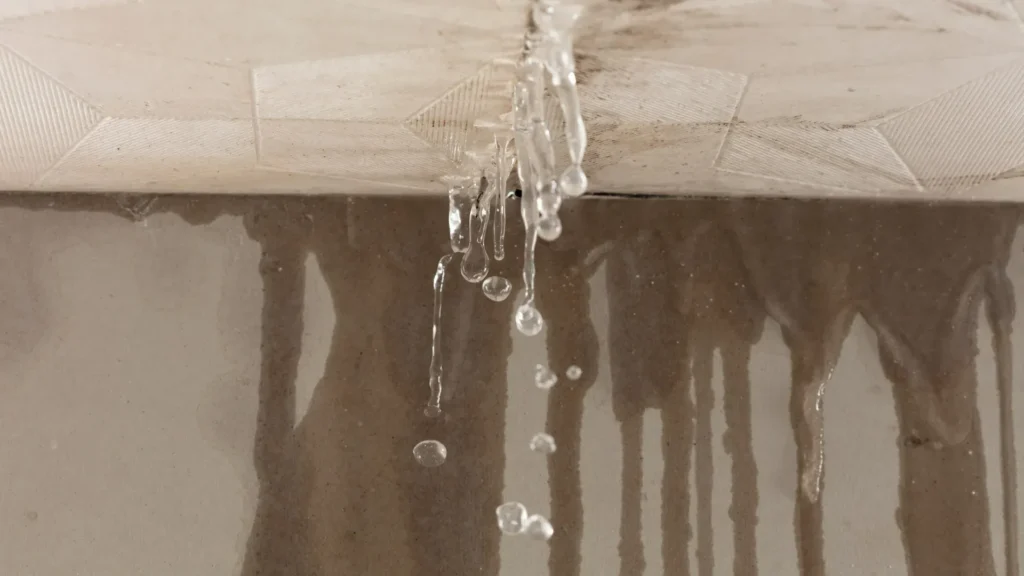
One of the clearest signs that a roof needs immediate attention is an active leak.
Homeowners may notice:
- Water dripping from ceilings
- Moisture around light fixtures
- Wet spots on walls
- Damp attic areas
- Water entering during storms
An active leak indicates that water has already penetrated the roofing system.
Even if the leak appears small, water may be traveling through the roof structure before becoming visible inside the home.
Ignoring an active leak can lead to:
- Damaged insulation
- Mold growth
- Structural deterioration
- Ceiling collapse in severe cases
If water is actively entering the home, professional evaluation should be scheduled as soon as possible.
Sagging Roof Sections
A sagging roof is one of the most serious warning signs homeowners can encounter.
A roof should maintain a consistent shape and appearance.
Signs of sagging may include:
- Visible dips in the roofline
- Uneven roof surfaces
- Interior ceiling sagging
- Soft spots in attic areas
Sagging can indicate:
- Water damage
- Rotting decking
- Structural weakening
- Excessive load stress
Because structural issues can worsen over time, sagging areas should be evaluated immediately.
In severe situations, delaying repairs could create safety concerns for occupants.
Large Areas of Missing Shingles
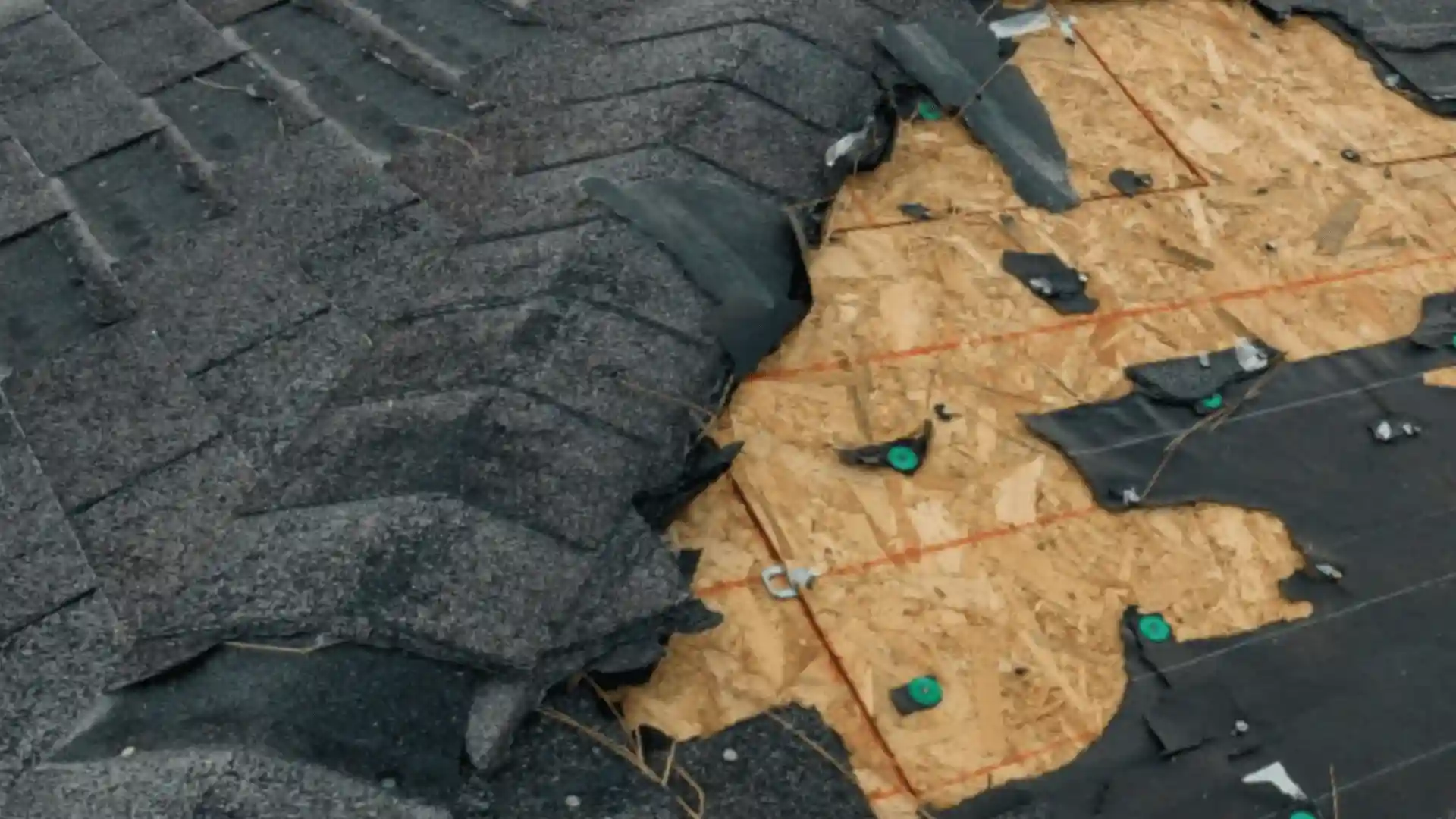
A few damaged shingles may not always require emergency service, but large sections of missing roofing materials should be addressed quickly.
Missing shingles expose underlying components to:
- Rain
- Snow
- UV exposure
- Wind
- Moisture intrusion
Large exposed areas significantly increase the risk of leaks and water damage.
After severe storms, homeowners should inspect their property from the ground and look for:
- Missing shingles in the yard
- Bare roof sections
- Exposed underlayment
- Debris-related damage
Prompt repairs help restore the roof’s protective barrier before additional weather events occur.
Severe Storm Damage
Minnesota storms can cause substantial roofing damage in a short period of time.
Common storm-related concerns include:
- Hail damage
- Wind damage
- Fallen tree limbs
- Flashing damage
- Gutter damage
- Roof punctures
Some storm damage is obvious, while other forms remain hidden.
Homeowners should consider a professional roof inspection after significant storms, especially if they observe visible damage or suspect impact-related issues.
Early identification helps prevent storm damage from developing into larger roofing problems.
Interior Water Stains
Water stains on ceilings or walls often indicate a roofing problem.
Common signs include:
- Brown ceiling stains
- Discolored drywall
- Bubbling paint
- Peeling paint
- Soft ceiling areas
These symptoms may suggest that water has already entered the home.
One important consideration is that stains do not always appear directly beneath the source of the leak.
Water can travel through roofing components and structural framing before becoming visible indoors.
Even if a stain appears small, the underlying damage may be more extensive.
Mold Growth and Musty Odors
Moisture problems often lead to mold growth.
Homeowners should be alert for:
- Musty smells
- Visible mold
- Persistent dampness
- Discolored attic surfaces
- Increased allergy symptoms
Mold may develop in:
- Attics
- Insulation
- Ceiling cavities
- Wall spaces
- Roof decking
Because mold can affect both property and indoor air quality, moisture-related roofing issues should be addressed promptly.
The sooner the source of the moisture is corrected, the easier it is to limit mold growth.
Wet or Damaged Insulation
Attic insulation should remain dry and properly installed.
Signs of insulation problems include:
- Wet insulation
- Compressed insulation
- Visible mold
- Water stains
- Frost accumulation during winter
Damaged insulation reduces energy efficiency and may indicate ongoing roof leaks.
Because insulation problems are often hidden from daily view, attic inspections can reveal concerns that homeowners might otherwise miss.
Ignoring wet insulation may contribute to higher utility bills and additional moisture issues.
Daylight Visible in the Attic
If sunlight can be seen entering through the roof from inside the attic, water can likely enter as well.
Visible daylight may indicate:
- Gaps in roofing materials
- Missing shingles
- Damaged flashing
- Structural openings
Even small openings can allow significant moisture intrusion during rain or snow events.
This issue should be evaluated promptly to prevent further damage.
Damaged or Detached Flashing
Flashing protects vulnerable areas where water is most likely to enter.
Critical flashing locations include:
- Chimneys
- Skylights
- Plumbing vents
- Roof valleys
- Wall intersections
Signs of flashing damage include:
- Loose metal components
- Cracked sealant
- Rust
- Separation from roofing materials
Because flashing failures often lead directly to leaks, repairs should not be delayed.
Ice Dam Related Damage
During Rochester winters, ice dams can create serious roofing concerns.
Warning signs include:
- Large icicles
- Thick ice buildup
- Water stains during winter
- Interior leaks
- Wet attic insulation
Ice dams force water beneath shingles and into the roofing system.
Repeated ice dam activity can lead to:
- Roof leaks
- Decking damage
- Mold growth
- Structural deterioration
Prompt attention helps minimize long term damage.
Granules Filling Gutters
While some granule loss is normal as a roof ages, excessive amounts may indicate accelerated deterioration.
Homeowners may notice:
- Large quantities of granules in gutters
- Bare spots on shingles
- Uneven shingle appearance
- Increased roof aging
Granule loss reduces the roof’s ability to resist UV exposure and weather damage.
If granule loss appears excessive, a professional evaluation may be warranted.
How Delaying Repairs Increases Costs
One reason urgent roofing issues should be addressed quickly is cost.
Small roofing concerns often expand when exposed to weather.
Delayed repairs may lead to:
- Larger damaged areas
- Additional labor
- Interior restoration costs
- Structural repairs
- Mold remediation
- Premature roof replacement
What may have started as a relatively minor repair can become a much larger project when moisture is allowed to spread.
The Value of Professional Evaluation
Some roofing problems are obvious, while others require trained assessment.
A professional roof inspection helps determine:
- Extent of damage
- Immediate risks
- Repair priorities
- Remaining roof lifespan
- Long term recommendations
Inspectors can also identify hidden issues that homeowners may not notice during a visual inspection.
Professional evaluation helps ensure that repairs address the root cause rather than just the visible symptoms.
When Emergency Roofing Service May Be Needed
Emergency roofing service may be appropriate when:
- Active leaks are occurring
- Structural concerns exist
- Large roof sections are exposed
- Storm damage threatens additional deterioration
- Water is entering electrical areas
- Safety hazards are present
In these situations, temporary protective measures may be needed while permanent repairs are planned.
Working With a Local Roofing Contractor
Local roofing professionals understand the challenges Rochester roofs face throughout the year.
A local contractor can provide:
- Roof inspections
- Roof repairs
- Storm damage assessments
- Emergency roofing services
- Roof replacement evaluations
Above All Roofing serves homeowners, churches, commercial property owners, and facility managers throughout Rochester and surrounding Southeast Minnesota communities.
Local expertise helps ensure roofing issues are addressed quickly and appropriately.
Conclusion
Some roofing problems require immediate attention to prevent serious damage and costly repairs. Active leaks, sagging roof sections, missing shingles, storm damage, mold growth, and interior water stains are all warning signs that should not be ignored.
Taking action early often limits repair costs and helps protect the structural integrity of the home. When in doubt, a professional roof inspection can determine the severity of the issue and provide clear recommendations for next steps.
Frequently Asked Questions
What is the most urgent roof problem?
Active leaks and sagging roof sections are among the most urgent issues because they may indicate significant structural concerns.
Should I call a roofer if I see water stains on my ceiling?
Yes. Water stains often indicate moisture intrusion that should be evaluated promptly.
Can missing shingles wait until spring?
Not always. Missing shingles expose the roof to weather and can lead to additional damage if left unrepaired.
Are ice dams considered a roofing emergency?
They can be. Ice dams may cause leaks, insulation damage, and water intrusion during winter.
How do I know if I need roof repair or replacement?
A professional inspection can determine the extent of the damage and recommend the most appropriate solution.