What a Roof Inspection Actually Does
A roof inspection is not just someone climbing up and taking a quick look around. A thorough inspection evaluates every component of your roofing system, not just the shingles on top. That includes flashing, venting, gutters, pipe boots, sewer vents, ridge caps, and the condition of the underlying deck where visible.
The goal is to find problems before they find you. A small flashing issue around a chimney or an incorrectly installed bathroom vent can let water into your home for months before the damage becomes visible from inside. By that point, what might have been a straightforward repair has turned into a much more involved project.
What a Roof Inspector Looks For
A qualified roofing inspector evaluates your roof system from several angles. The main areas of focus include:
- Shingle condition. Signs of excessive granule loss, curling, cracking, blistering, or displaced shingles.
- The metal strips around chimneys, skylights, valleys, and walls are among the most common leak entry points.
- Attic ventilation. Intake and exhaust vents that are blocked or undersized create heat and moisture problems that shorten shingle life and can void manufacturer warranties.
- Pipe boots and sewer vents. Rubber boots around plumbing penetrations degrade over time and are one of the most common sources of roof leaks.
- Gutters and drainage. Improper drainage puts water where it does not belong and can accelerate deterioration at the roof edge.
- Hail or wind damage. Impact marks, cracked vents, and displaced shingles that might not be obvious from the ground.
- Life expectancy. An experienced inspector can tell you where your roof is in its lifespan and help you plan for future replacement rather than being caught off guard.
How Often Should You Have Your Roof Inspected?
The right frequency depends on the age of your roof.
For a newer roof, an inspection every five years is a reasonable baseline under normal conditions. Once a roof passes the 20-year mark, that window should shorten to every one to two years. Older roofs face more risk of sudden failure, and catching problems early at that stage pays dividends.
Beyond scheduled inspections, you should also arrange an inspection after any major weather event. In southeast Minnesota, that means after significant hailstorms, high winds, or heavy ice accumulation. Damage from these events is not always visible from the ground, and waiting too long to assess the roof can complicate an insurance claim.
Why Minnesota Weather Makes Inspections More Important
Minnesota puts roofing systems through more stress than most of the country. The combination of winter ice load, freeze-thaw cycling, spring hailstorms, and summer heat creates conditions that accelerate wear in ways that are not always obvious year to year.
Ice dams are a good example. They form when heat escapes through the attic and melts snow on the upper roof, which then refreezes at the cold eave. The resulting ice backup pushes water under shingles. An inspector can identify the ventilation conditions that create ice dam risk and recommend corrections before the damage compounds.
Hail is another. Southeast Minnesota sees hail events regularly, and the damage is not always dramatic. Quarter-sized or smaller hail can fracture the mat of a shingle without creating a visible hole. Over time, that fracturing leads to accelerated granule loss and early shingle failure. An inspector knows what hail impact looks like and can document it for an insurance claim if warranted.
Are Roof Inspections Worth the Cost?
Most reputable roofing contractors in the Rochester area provide free inspections and estimates. That means the cost of an inspection is often nothing out of pocket.
Even when a fee is involved, the return on that investment is clear. Catching a failing pipe boot early might cost a few hundred dollars to fix. Missing it until water has damaged the decking, insulation, and ceiling below could cost several thousand. Inspections are not an expense. They are a hedge against much larger ones.
What Happens During a Roof Inspection with Above All Roofing?
When Above All Roofing inspects a roof in Rochester or the surrounding southeast Minnesota area, the process is thorough and straightforward.
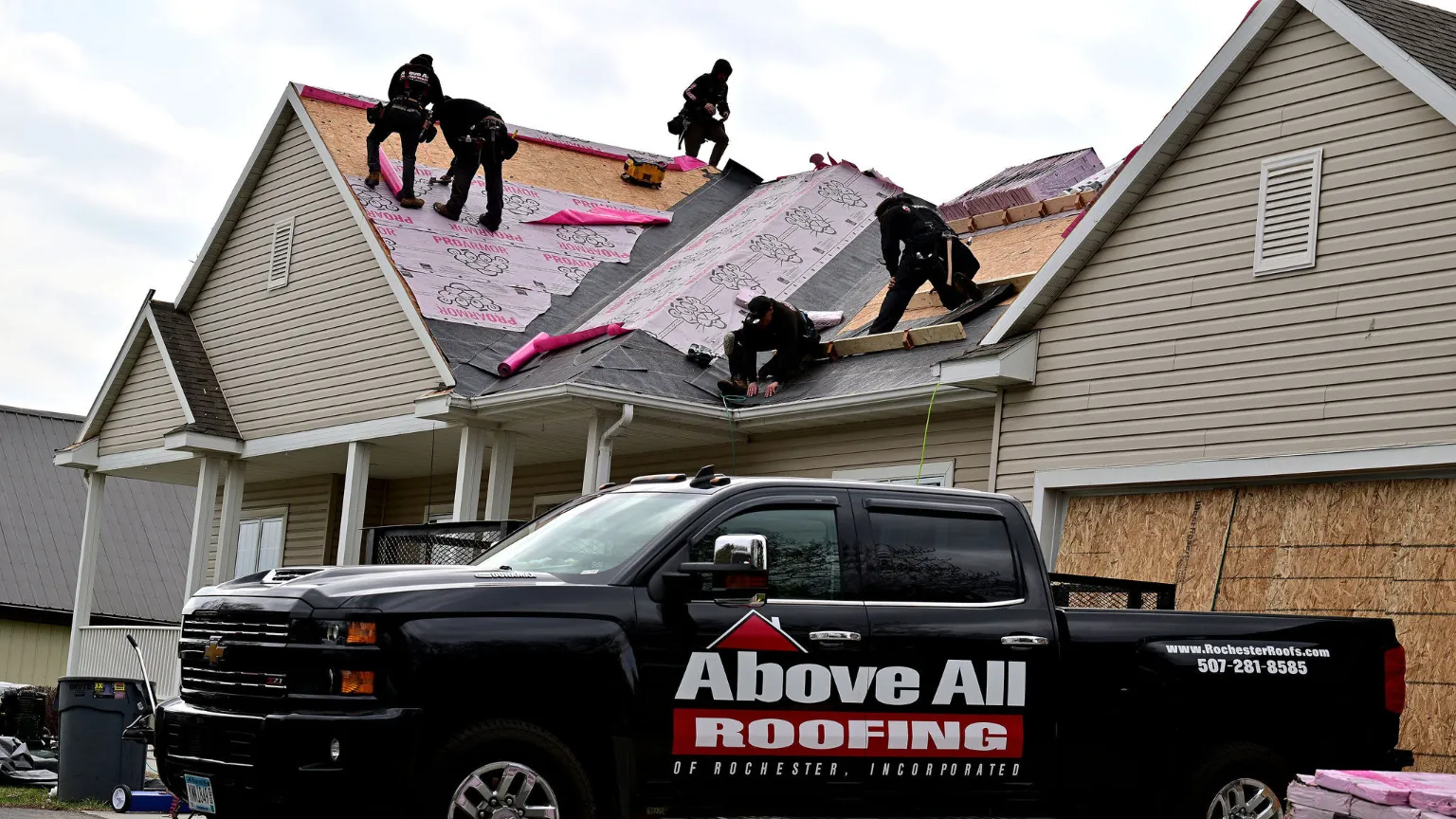
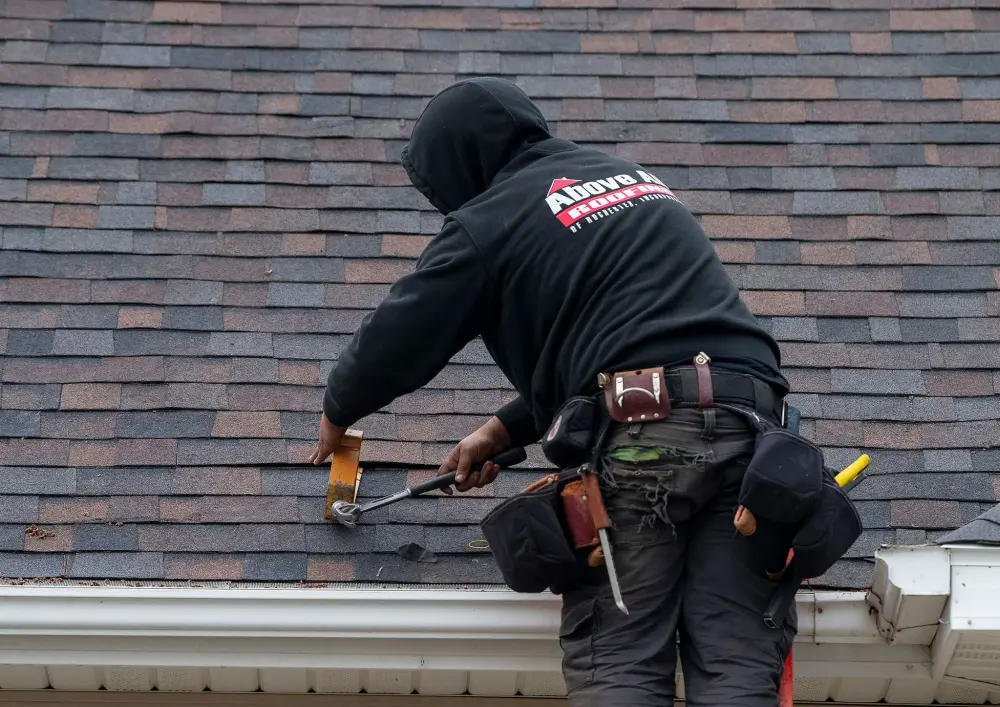
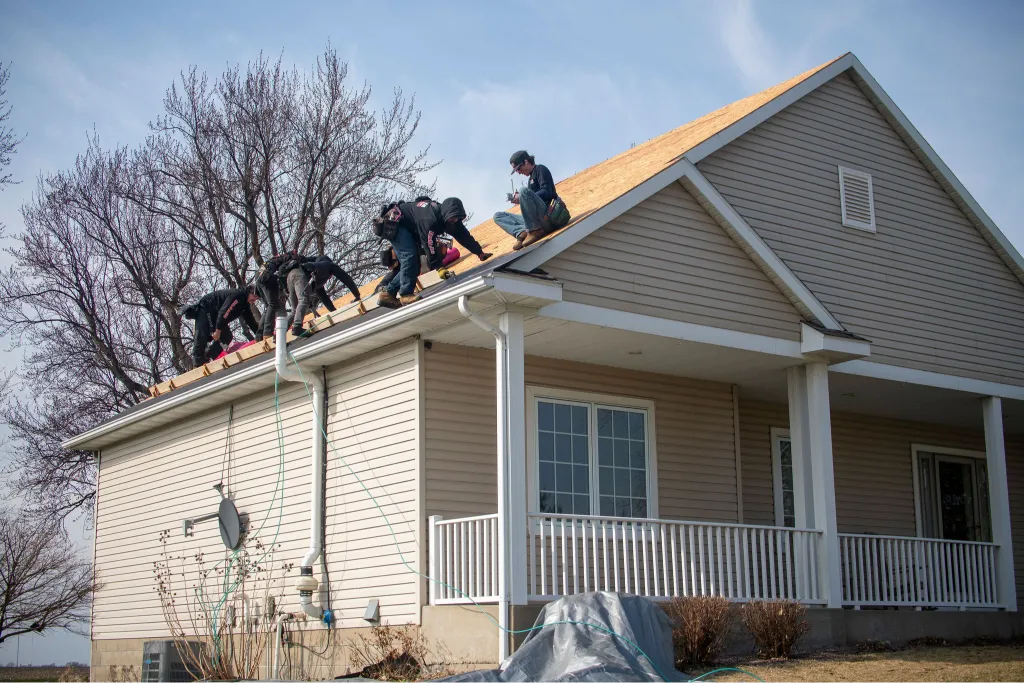
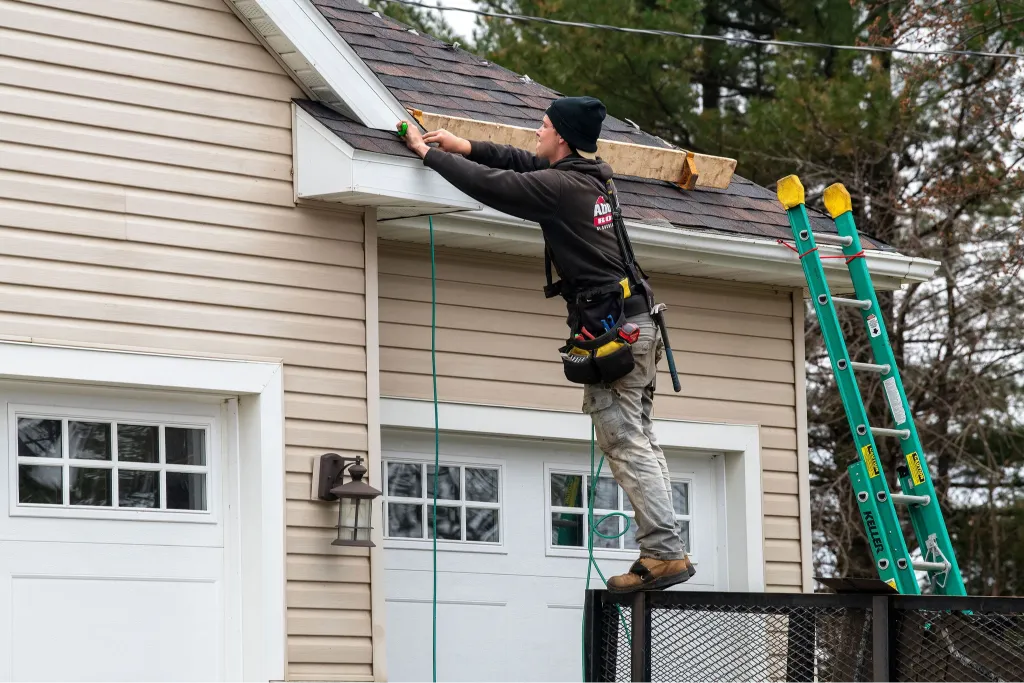
A member of our team gets on the roof and evaluates every component of the system. We look at shingle condition, flashing integrity, ventilation, penetrations, and drainage. After the inspection, we walk you through what we found in plain language, including photos when relevant. If there are issues, we tell you what they are, what caused them, and what the options are.
We do not pressure anyone into work they do not need. Our job is to give you an accurate picture of your roof so you can make an informed decision.
Do You Need to Be Home for a Roof Inspection?
No. You do not need to be present while the inspection takes place. However, being available for the walkthrough afterward is worthwhile. That conversation is where you get the most value from the inspection. Seeing photos of the issues, understanding what they mean, and asking questions gives you information you can act on.
Frequently Asked Questions
How much does a roof inspection cost in Rochester, MN?
Above All Roofing provides free roof inspections and estimates. Many reputable roofing contractors in the area do as well. Be cautious of inspectors who charge a fee and then recommend unnecessary repairs.
What is the difference between a roof inspection and a roof certification?
In most cases they refer to the same process. A certification is a written document following an inspection that confirms the condition of the roof. This is often requested during a home sale to give the buyer confidence in the roof’s condition and remaining life expectancy.
Can I inspect my own roof?
You can walk around your property and look for obvious signs of trouble such as missing shingles, granules in the gutters, or visible sagging. However, a professional inspection covers components that are not visible from the ground and requires experience to evaluate accurately. DIY roof inspections miss a lot.
Should I get an inspection before buying a home?
Yes. A general home inspection covers the basics, but a dedicated roofing inspection goes deeper. Knowing the actual condition of the roof before you close on a home is valuable information that can affect your offer or your planning for near-term expenses.
What should I do if an inspector finds damage?
Get the findings in writing with photos. If the damage appears to be storm-related, contact your homeowners insurance carrier. If it is maintenance-related wear, get a repair estimate and prioritize it based on severity.
Final Thoughts
A roof inspection is one of the most straightforward ways to protect a home that represents a significant financial investment. In Rochester and across southeast Minnesota, where weather conditions are demanding, staying ahead of roof problems is smarter and less expensive than reacting to them. Above All Roofing offers free inspections for homeowners throughout the region.
Call (507) 281-8585 or visit rochesterroofs.com to schedule yours.