Introduction
Minnesota is known for its dramatic seasonal weather changes. Homeowners in Rochester experience freezing winters, wet springs, warm summers, and windy autumns, all of which place unique stresses on roofing systems.
While roofs are designed to protect homes from the elements, constant exposure to changing weather conditions inevitably causes wear and tear. Each season introduces different challenges that can affect shingles, flashing, ventilation systems, gutters, and structural components.
Many roofing problems do not develop overnight. Instead, they result from years of exposure to snow, ice, moisture, heat, and temperature fluctuations. Understanding how Minnesota weather affects roofs can help homeowners take proactive steps to maintain their roofing system and avoid costly repairs.
Whether your roof is relatively new or approaching the end of its lifespan, recognizing the effects of seasonal weather can help you protect your investment and extend the life of your roof.
The Impact of Seasonal Weather Changes
One of the biggest challenges for roofs in Rochester is the constant transition between seasons.
Unlike regions with relatively stable climates, Southeast Minnesota experiences:
- Freezing winters
- Wet springs
- Hot summers
- Windy autumns
Each season places different demands on roofing materials.
Over time, repeated exposure to changing conditions can contribute to:
- Material expansion and contraction
- Moisture intrusion
- Granule loss
- Sealant deterioration
- Structural stress
Because roofing systems are exposed year-round, weather-related wear is cumulative.
Small amounts of seasonal damage may seem insignificant individually, but together they can significantly affect roof performance over time.
Winter Snow and Ice
Winter is often the most demanding season for roofing systems in Minnesota.
Heavy snowfall can accumulate on rooftops for extended periods, creating additional weight and stress.
Potential winter roofing concerns include:
- Snow load pressure
- Ice dam formation
- Freeze thaw damage
- Moisture intrusion
- Gutter damage
- Ventilation challenges
While modern roofs are designed to handle snow loads, prolonged accumulation combined with existing roofing issues can increase the risk of problems.
Older roofs and structures with existing weaknesses may be especially vulnerable during severe winters.
How Ice Dams Affect Roofing Systems
Ice dams are one of the most common winter roofing issues in Rochester.
Ice dams form when:
- Heat escapes into the attic
- Snow melts on the roof surface
- Meltwater flows downward
- Water refreezes near colder roof edges
- Ice blocks proper drainage
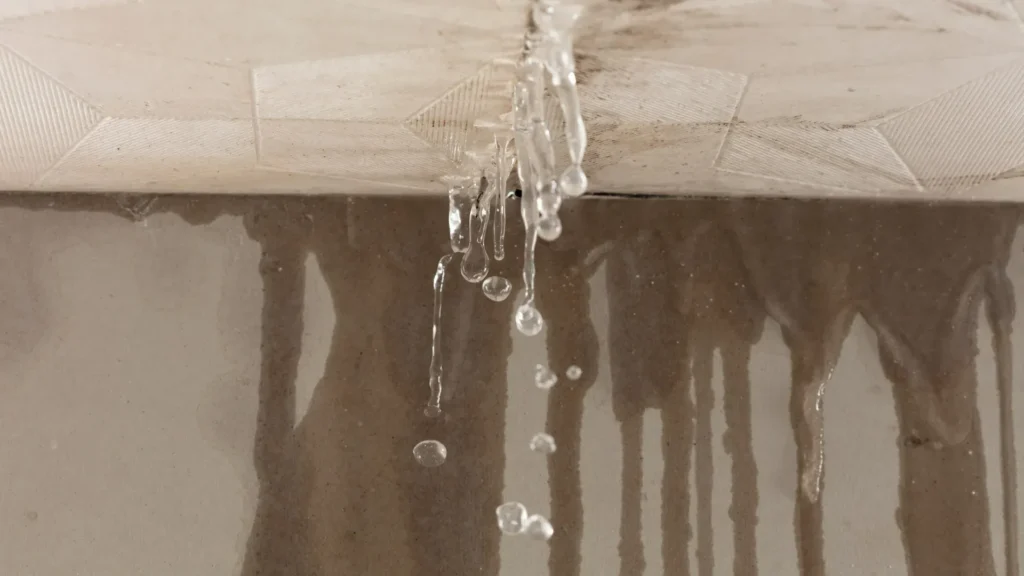
As ice accumulates, water can become trapped behind the dam and back up beneath roofing materials.
This may lead to:
- Roof leaks
- Wet insulation
- Ceiling stains
- Mold growth
- Decking damage
Proper insulation and ventilation play a major role in reducing ice dam risks.
Regular inspections can help identify conditions that contribute to ice dam formation before winter arrives.
The Freeze Thaw Cycle
One of Minnesota’s most damaging weather patterns is the freeze thaw cycle.
This occurs when temperatures repeatedly fluctuate above and below freezing.
The process typically involves:
- Moisture entering small cracks
- Water freezing and expanding
- Materials separating or cracking further
- Ice melting and allowing additional moisture entry
- The cycle repeating
Over time, freeze thaw cycles can enlarge minor defects and accelerate roof deterioration.
Affected areas often include:
- Shingles
- Flashing
- Sealants
- Gutters
- Roof penetrations
What begins as a small vulnerability can gradually become a significant repair issue.
Spring Rain and Moisture Exposure
Spring often reveals roofing problems that developed during winter.
As snow melts and rainfall increases, existing vulnerabilities become more apparent.
Spring weather can:
- Expose hidden leaks
- Test drainage systems
- Increase moisture exposure
- Reveal flashing failures
- Highlight ventilation deficiencies
Many homeowners first discover roofing issues during spring rainstorms when water intrusion becomes visible inside the home.
Because moisture is one of the leading causes of roofing deterioration, spring is an excellent time to schedule a professional roof inspection.
Why Drainage Systems Matter
Proper drainage is essential during spring rainfall.
Gutters and downspouts help direct water away from the roof and foundation.
When drainage systems become clogged, water may:
- Overflow roof edges
- Pool near vulnerable areas
- Back up beneath shingles
- Damage fascia boards
- Increase leak potential
Routine maintenance helps ensure water flows properly during periods of heavy rainfall.
Summer Heat and UV Exposure
While Minnesota winters receive significant attention, summer weather can also impact roofing systems.
Extended sun exposure subjects roofing materials to:
- Ultraviolet radiation
- High temperatures
- Thermal expansion
- Surface deterioration
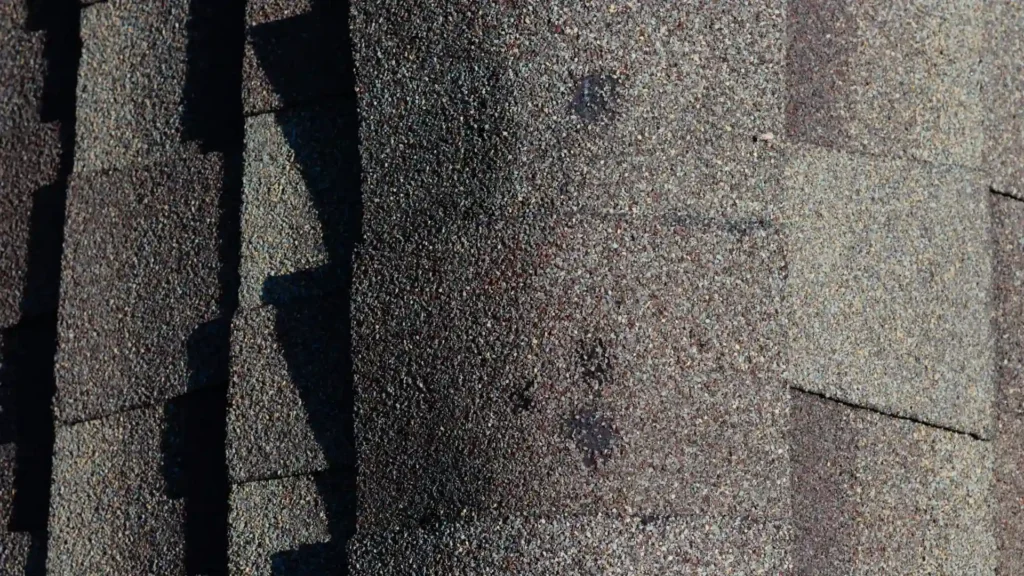
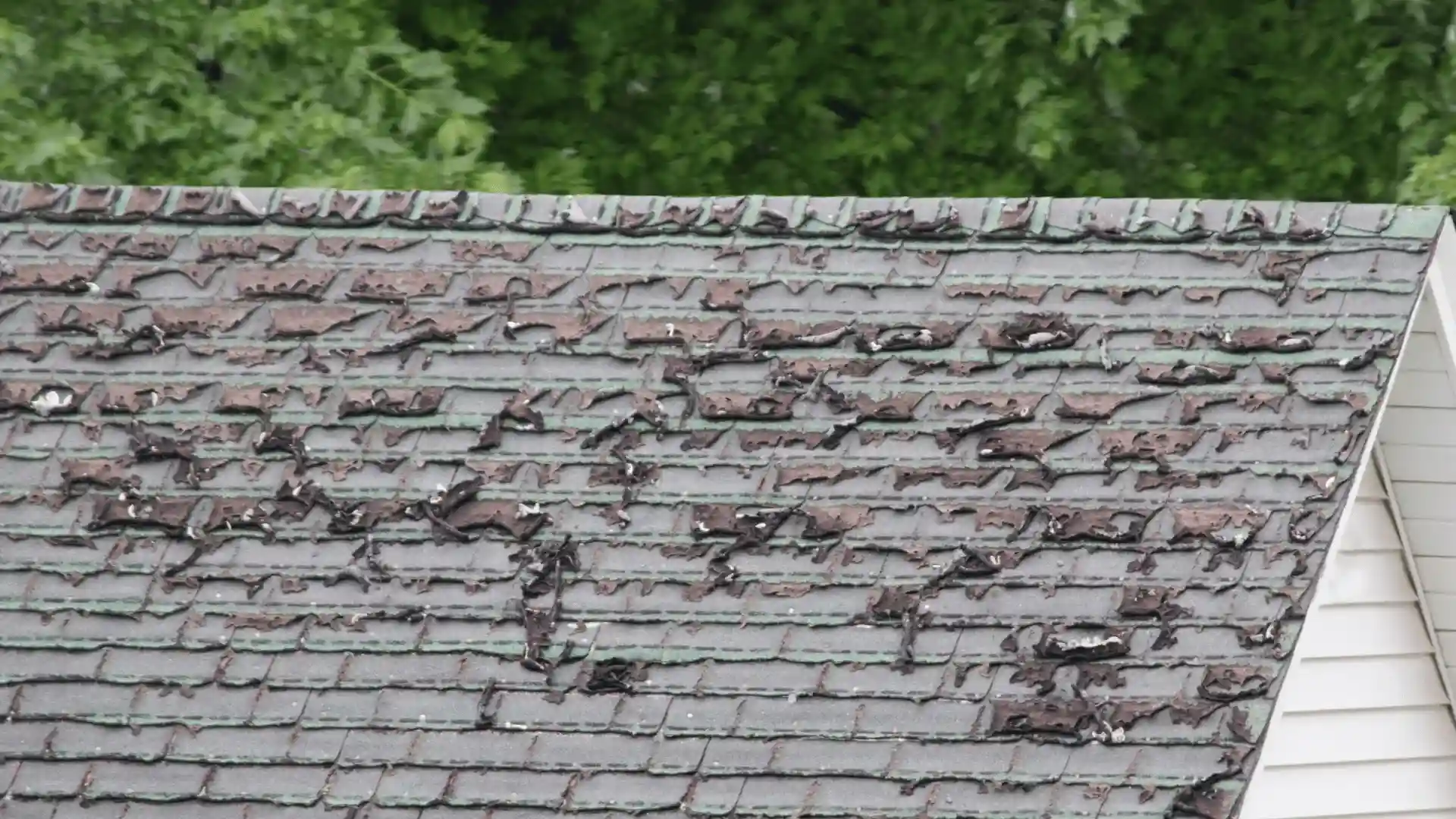
Over time, UV exposure can cause shingles to:
- Dry out
- Become brittle
- Crack
- Lose flexibility
- Shed protective granules
Heat buildup inside poorly ventilated attics can further accelerate deterioration.
Proper attic ventilation helps regulate temperatures and reduce stress on roofing materials during summer months.
How Heat Affects Roofing Materials
Roofing materials naturally expand as temperatures rise and contract as temperatures fall.
This repeated movement places stress on:
- Shingles
- Flashing
- Sealants
- Fasteners
- Roof penetrations
Over years of seasonal temperature fluctuations, these components may begin to weaken.
This gradual deterioration contributes to many of the roofing issues homeowners eventually encounter.
The Impact of Wind and Severe Storms
Minnesota weather is often unpredictable.
Throughout the year, Rochester may experience:
- Thunderstorms
- High winds
- Hailstorms
- Tornadic activity
Wind can damage roofs by:
- Lifting shingles
- Breaking adhesive seals
- Loosening flashing
- Damaging gutters
- Depositing debris
Meanwhile, hail can create both visible and hidden damage.
Even when a roof does not leak immediately after a storm, severe weather may weaken roofing materials and reduce their long term performance.
Prompt storm assessments help identify damage before it develops into larger issues.
Fall Preparation and Preventive Maintenance
Fall is one of the most important seasons for roof maintenance.
Preparing the roof before winter helps reduce the risk of cold-weather problems.
Recommended fall maintenance tasks include:
- Cleaning gutters
- Removing debris
- Inspecting flashing
- Checking shingles
- Evaluating ventilation
- Trimming overhanging branches
Addressing minor issues before winter arrives can prevent them from becoming major problems during snow and ice season.
Many homeowners schedule roof inspections during fall to ensure their roofing system is ready for winter weather.
Long Term Effects on Roofing Systems
Over time, exposure to Minnesota weather inevitably affects roofing materials.
Common long term effects include:
- Material deterioration
- Granule loss
- Flashing degradation
- Sealant failure
- Increased repair needs
- Reduced roof lifespan
While these changes occur gradually, they can significantly impact roof performance if maintenance is neglected.
The combination of snow, ice, rain, wind, UV exposure, and temperature fluctuations creates a challenging environment for any roofing system.
How Weather Affects Roof Lifespan
The lifespan of a roof depends on multiple factors, including:
- Material quality
- Installation quality
- Ventilation
- Maintenance
- Weather exposure
Even high-quality roofs experience wear from environmental conditions.
Regular inspections and maintenance help slow the effects of weather-related aging and maximize the useful life of the roofing system.
Homeowners who proactively address small issues often get more years from their roof than those who wait for problems to become obvious.
Protecting Your Roof in Rochester
While homeowners cannot control the weather, they can take steps to reduce its impact.
Recommended strategies include:
- Scheduling regular roof inspections
- Addressing repairs promptly
- Maintaining gutters and drainage
- Improving attic ventilation
- Monitoring for storm damage
- Managing snow and ice buildup
Preventive maintenance helps identify concerns early and reduces the likelihood of major repairs.
A proactive approach is often the most cost-effective way to protect a roofing investment.
Why Professional Inspections Are Important
Because many weather-related roofing issues develop gradually, professional evaluations are extremely valuable.
A comprehensive roof inspection can identify:
- Hidden storm damage
- Moisture intrusion
- Ventilation concerns
- Flashing deterioration
- Aging materials
- Early structural issues
These inspections allow homeowners to address concerns before significant damage occurs.
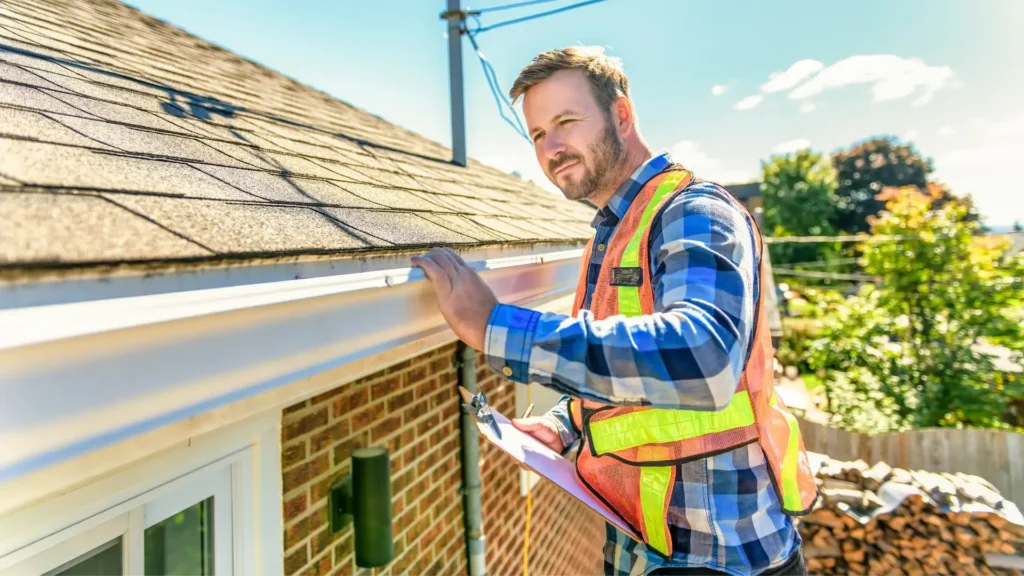
Above All Roofing provides roof inspections, roof repairs, roof replacements, and weather-related roofing assessments throughout Rochester and surrounding Southeast Minnesota communities.
Conclusion
Minnesota weather places significant demands on roofing systems throughout the year. Snow, ice, rain, wind, hail, heat, and temperature fluctuations all contribute to gradual roof deterioration over time.
While weather-related wear cannot be completely avoided, regular inspections, preventive maintenance, and timely repairs can help homeowners protect their roofs and extend their lifespan.
For property owners in Rochester, understanding how seasonal weather affects roofing systems is an important step toward making informed maintenance decisions and avoiding costly surprises.
Frequently Asked Questions
How does winter affect roofs in Minnesota?
Winter can contribute to ice dams, snow load stress, freeze thaw damage, and moisture intrusion.
Can summer heat damage roofing materials?
Yes. UV exposure and high temperatures can dry out shingles, accelerate aging, and reduce flexibility.
Why are ice dams harmful to roofs?
Ice dams can trap water behind ice barriers, allowing moisture to enter beneath shingles and damage the roof.
How often should I inspect my roof in Minnesota?
Most homeowners should schedule inspections every few years and after significant storms.
Can weather shorten the lifespan of a roof?
Yes. Continuous exposure to weather conditions contributes to material aging and eventual roof deterioration.